
Redefining Central Asia Diplomacy: Inside the Evolving India-Uzbekistan Strategic Partnership
New Delhi and Tashkent expand cooperation in nuclear energy, critical minerals, digital infrastructure and counter-terrorism
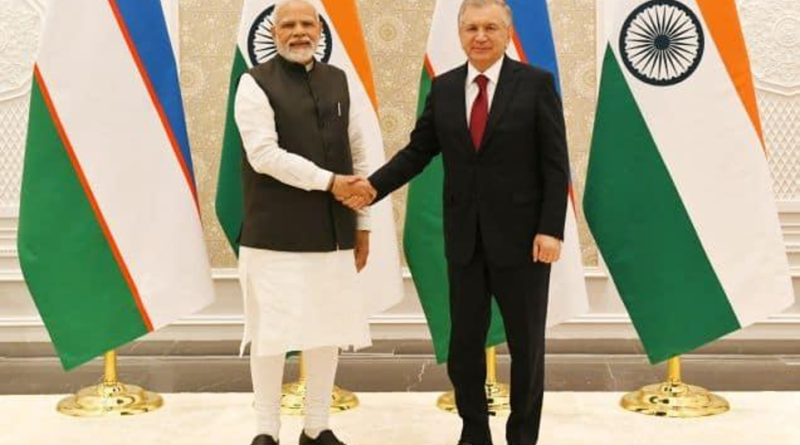
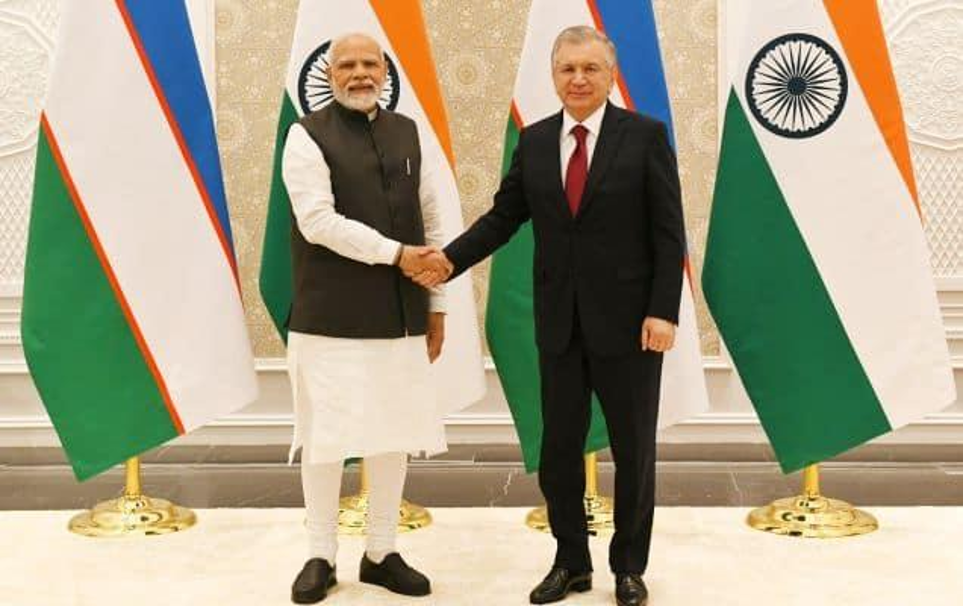
India and Uzbekistan have taken a major step in strengthening bilateral relations by elevating their partnership to a Comprehensive Strategic Partnership, marking a significant expansion of cooperation between New Delhi and Tashkent.
The development comes amid growing diplomatic engagement between Prime Minister Narendra Modi and Uzbek President Shavkat Mirziyoyev, with both countries seeking to deepen economic, energy and security cooperation across Central Asia.
Uzbekistan Honours PM Modi
A major highlight of the engagement was Uzbekistan’s decision to confer its highest state honour, the Order of “Oliy Darajali Dustlik”, on Prime Minister Narendra Modi.
President Mirziyoyev presented the honour in recognition of Modi’s role in strengthening India-Uzbekistan relations and advancing cooperation between the two countries.
The word Dustlik, meaning “friendship”, reflects the longstanding cultural connections between the two nations while also representing their growing modern strategic relationship.
Uranium and Critical Minerals at the Centre of Energy Cooperation
Energy security has emerged as one of the key areas of the expanding partnership.
India and Uzbekistan have agreed to strengthen cooperation on uranium supplies, with Uzbekistan expected to contribute to India’s nuclear fuel requirements. The two sides are also looking at cooperation in the exploration and processing of critical minerals, which are increasingly important for clean-energy technologies, electronics and electric mobility.
The focus on critical minerals is particularly significant as India seeks to diversify supply chains for strategic resources.
Trade Target Set at $5 Billion by 2030
Economic cooperation is also expected to receive a major boost.
The two countries have set an ambitious target of $5 billion in bilateral trade by 2030. Efforts are expected to focus on simplifying customs procedures, improving cross-border payment systems and expanding the use of digital technologies.
India’s digital public infrastructure, including platforms such as UPI, has also emerged as an area of potential cooperation with Uzbekistan.
Security Cooperation to Expand
Security remains another important pillar of the new partnership.
India and Uzbekistan have reiterated their commitment to combating terrorism and regional extremism, while seeking greater cooperation in intelligence sharing, counter-terrorism activities, military exercises and defence production.
The growing security relationship reflects the strategic importance of Central Asia to India’s regional security interests.
A Stronger Connect Central Asia Strategy
Uzbekistan occupies an important position in India’s Connect Central Asia policy. Its geographic location and role in regional trade and connectivity make Tashkent an important partner as India seeks stronger economic and strategic engagement with Central Asian states.
Both countries are also looking to address transportation and logistics challenges and explore stronger regional connectivity.
What the New Partnership Means
The elevation of ties signals that India-Uzbekistan relations are moving beyond traditional diplomatic and economic cooperation toward a broader strategic framework.
From nuclear energy and critical minerals to digital infrastructure, trade and counter-terrorism, the partnership now covers several areas central to India’s long-term economic and security interests.
As New Delhi pursues its Viksit Bharat vision and Uzbekistan advances its Yangi Uzbekistan reforms, the two countries are positioning their relationship as an important component of India’s engagement with Central Asia.
The next phase of the partnership will depend on how effectively the two sides translate these agreements and ambitions into concrete projects, stronger trade links and deeper regional connectivity.