
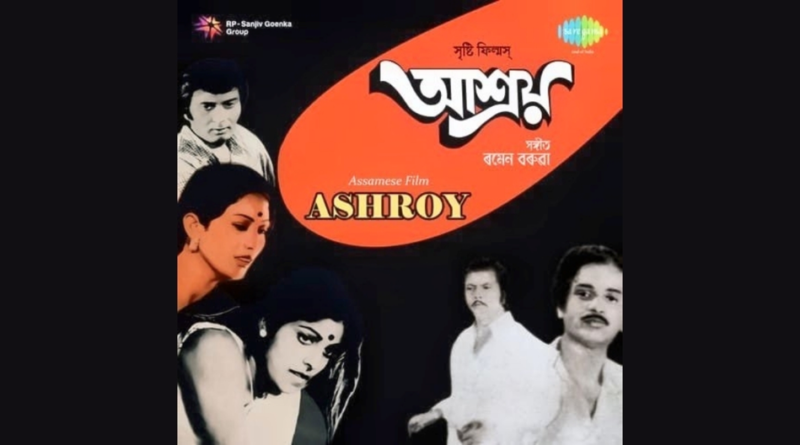
Major Cultural Rediscovery: 1979 Assamese Classic Ashroy Saved and Restored
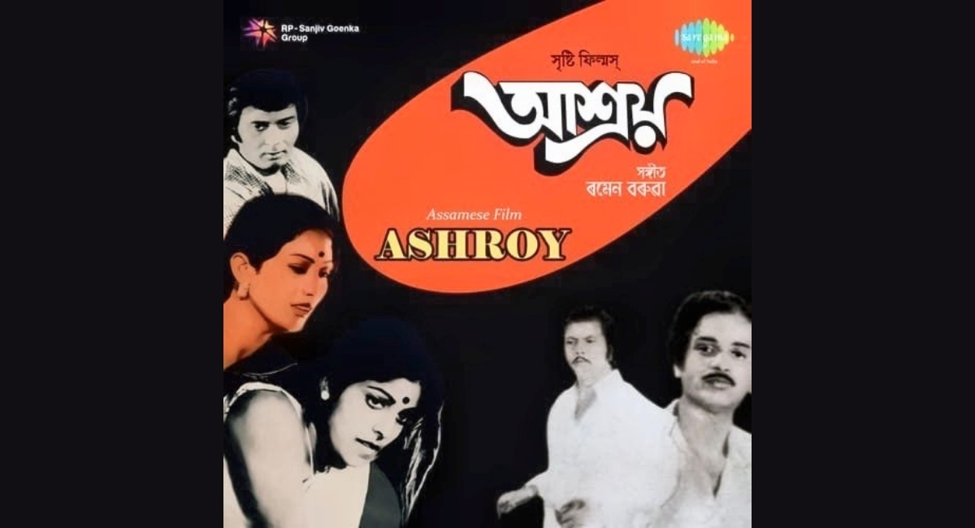
In September 2026, Assamese cinematic history witnessed a monumental triumph as Dulal Roy’s long-lost 1979 classic, Ashroy, was successfully rediscovered and slated for restoration. For nearly five decades, cultural historians, film archivists, and regional cinema enthusiasts operated under the heart-wrenching assumption that the film had been permanently lost to time. Reports indicated that the original celluloid print reels stored in Calcutta were destroyed, leaving behind only vinyl sound recordings and fond memories of its legendary music composition by Ramen Barua. The unexpected recovery of physical low-band U-matic video cassettes has granted this neglected masterpiece a second life, marking a historic victory for regional heritage preservation in North East India.
The directorial vision of Dulal Roy in Ashroy represents a pivotal era in Assamese parallel cinema during the late 1970s. Roy, known for his sensitive portrayal of human relationships, social equity, and psychological depth, crafted a story that resonated deeply with the socio-economic realities of Assam during that period. Elevated by timeless musical tracks sung by legendary artists like Dipen Baruah and Namita Bhattacharya, Ashroy captured the cultural soul of its era. However, like many vintage Indian celluloid treasures produced outside major studio networks, poor archival infrastructure and humid storage environments led to severe physical degradation, causing the original film prints to crumble into obscurity over the passing decades.
The miraculous resurrection occurred when forgotten archival materials were unearthed, revealing surviving U-matic tape copies preserved inside tucked-away storage containers. While analog video tapes lack the native resolution of master 35mm physical film prints, modern digital restoration techniques are bridging the gap. Restoration specialists are leveraging advanced image stabilization, frame-by-frame grain cleaning, frame interpolation, and high-definition audio remastering to clean the magnetic tape artifacting. This painstaking conservation effort ensures that current and future generations can finally experience Dulal Roy’s artistic vision as it was intended to be seen.
The recovery of Ashroy serves as an urgent reminder of the fragile state of regional Indian film preservation. Countless classic feature films from Assam and neighboring North Eastern states remain at risk of fading away due to lack of archival funding and institutional storage facilities. The salvation of this 1979 classic has reignited calls from filmmakers, cultural activists, and state organizations to establish dedicated regional archives equipped with climate-controlled vaults and digitization technology. By bringing Ashroy back into the public light, Assamese cinema not only reclaims a missing chapter of its golden history but also sets a powerful precedent for safeguarding cultural heritage against the erosion of time.
Reference Hyperlinks
- History of Assamese Cinema: https://en.wikipedia.org/wiki/Assamese_cinema – Background on the evolution, classic era, and prominent directors of Assam’s regional film industry.
- National Film Development Corporation of India (NFDC): https://www.nfdcindia.com – Information on national film archiving, preservation initiatives, and digital restoration efforts across India.
- Film Heritage Foundation: https://filmheritagefoundation.co.in – Resources on audio-visual archive conservation, film restoration techniques, and saving lost classics.