Trump’s “Super Intelligence” Rebrand: What the Executive Order Means for Tech, Politics, and Business
Executive Order 14434 and the Federal Shift to “Super Intelligence”
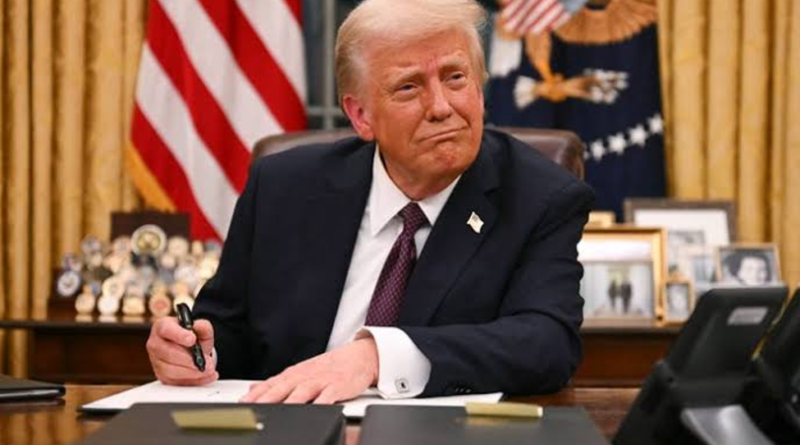
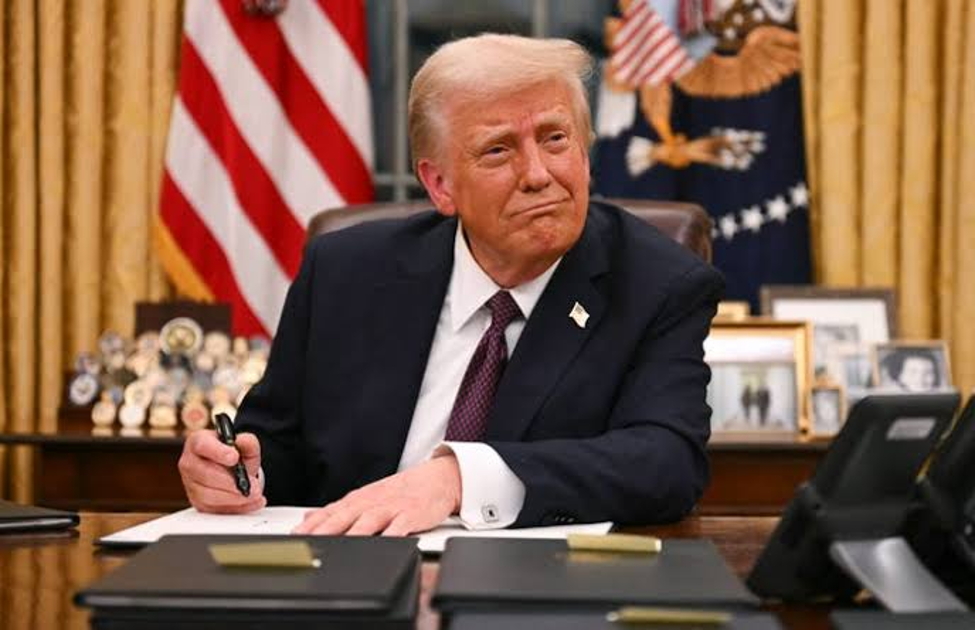
During his address at the 80th Session of the United Nations General Assembly, U.S. President Donald Trump signaled a major shift in how the federal government views frontier technologies by declaring that the term “Artificial Intelligence” (AI) is outdated. On September 29, 2026, President Trump formalized this rebranding by signing Executive Order 14434, titled “Inaugurating the Era of Super Intelligence”. The directive commands executive branch departments and agencies to officially adopt Super Intelligence or SI across executive communications, government websites, policy reports, and public documentation. To reinforce this strategy, the administration established a dedicated Super Intelligence Force chaired by Director of National Intelligence Jay Clayton and secured commitments from industry leaders, including OpenAI, Meta, and Google, under the new White House Accord on Super Intelligence.
Why Trump Wants to Rename Artificial Intelligence
The primary motivation behind replacing “AI” with “SI” combines national branding with global economic competitiveness. In public remarks following a White House summit with major tech executives, Trump argued that the word artificial implies a synthetic or fake capability, whereas today’s deep learning algorithms deliver real-world capabilities that go far beyond simple automation. The administration views framing domestic technology as Super Intelligence as a vital lever for geopolitical dominance, particularly as the U.S. competes with international rivals like China. By positioning American-built frontier models under the banner of Super Intelligence, the White House aims to project technological leadership and attract capital while maintaining an industry-first deregulation approach.
Technical Reality vs. Political Terminology
While the federal directive shifts administrative language, computer scientists and AI researchers emphasize a distinction between political policy and standard computer science taxonomy. Historically, researchers defined Artificial Intelligence as general computational systems capable of performing human tasks, Artificial General Intelligence (AGI) as human-level autonomous reasoning, and Artificial Superintelligence (ASI) as synthetic intellects that vastly outperform human capabilities across virtually all cognitive fields. Computer science consensus confirms that Executive Order 14434 alters government nomenclature rather than the underlying transformer models, LLMs, or neural networks currently running in production. The rebranding redefines operational vocabulary within government bodies, but current frontier models remain specialized machine-learning pipelines rather than fully autonomous superintelligences.
Key Industry, Policy, and Business Takeaways
- Federal Procurement & Grants: Defense contractors, research institutions, and software vendors submitting proposals to executive branch agencies must adopt Super Intelligence (SI) alongside traditional AI terms to maintain compliance with federal style guidelines.
- B2B Software Vendor Positioning: Technology leaders should audit SaaS marketing campaigns to differentiate between genuine architectural upgrades and simple product rebranding designed to capitalize on federal terminology trends.
- Global Regulatory Alignment: Because international regulatory frameworks like the European Union AI Act retain standard AI terminology, multinational enterprises must maintain a dual-compliance framework to satisfy both U.S. executive directives and foreign regulatory bodies.
Search Engine Optimization Strategy for “Super Intelligence” Keywords
From an SEO perspective, search engine algorithms like Google Search rely on semantic understanding, knowledge graphs, and entity relationships. Abruptly deleting established terms like Artificial Intelligence or Machine Learning in favor of Super Intelligence (SI) can lead to temporary drops in organic search rankings. The most effective content optimization strategy relies on co-occurrence mapping—pairing both terms naturally within key HTML elements such as standard headers, meta descriptions, and anchor text. By linking government policy updates with traditional technical terminology, content creators can capture emerging high-intent queries around Trump Super Intelligence executive order while preserving foundational authority
Frequently Asked Questions (FAQ)
Did Donald Trump legally rename AI for private companies?
No, Executive Order 14434 applies strictly to the U.S. federal executive branch agencies, websites, and official correspondence. Private enterprises, academic researchers, and international organizations continue to use Artificial Intelligence (AI) as their primary industry term.
Have AI models achieved true superintelligence?
No, machine learning systems have not reached true Artificial Superintelligence (ASI). The executive order represents a policy rebrand designed to emphasize rapid capability gains rather than a technical confirmation that systems have surpassed human cognitive abilities across all domains.
How should digital marketers optimize content for SI keywords? Establish clear context by referencing both terms together (e.g., “Artificial Intelligence (AI), officially referred to as Super Intelligence (SI) under U.S. federal policy…”). This strategy builds topical authority across legacy search queries while ranking for new federal policy keywords.