
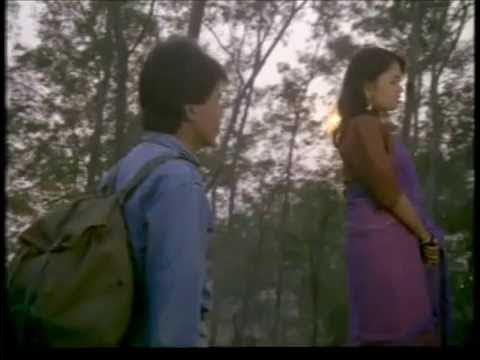
The Evolution of Tripura Film Industry: A Journey of Indigenous Kokborok Cinema
The cinema of Tripura, primarily centered around Kokborok-language films along with local Bengali productions, represents one of the most culturally authentic artistic movements in Northeast India. Originating as a modest effort by independent storytellers in the late 20th century, the regional film industry has grown into a powerful vehicle for preserving indigenous folklore, depicting socio-economic realities, and expressing regional identity. Unlike commercial mainstream cinema, movies produced in Tripura focus heavily on community narratives, traditional lifestyle, and environmental relationships
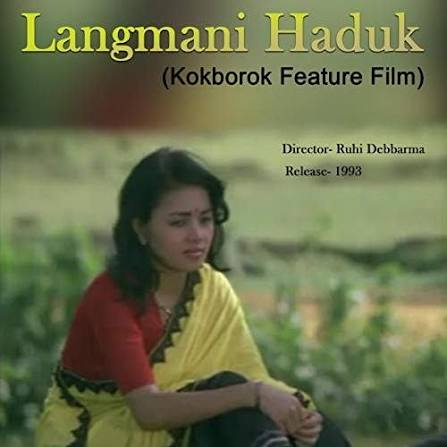
The foundational milestone for Kokborok cinema was laid with Longtharai (1986), recognized as the first Kokborok feature film from the state. Directed by Dipak Bhattacharya, this ground-breaking project proved that local stories could be brought to the screen. Following this breakthrough, filmmakers such as Ruhi Debbarma advanced the movement with feature films like Langmani Haduk (1993), inspiring a generation of directors to pick up cameras and craft indigenous narratives despite severe financial and technical limitations.
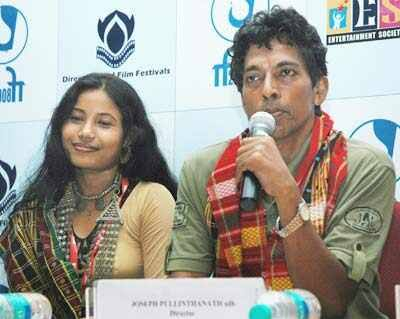
The international breakthrough for Tripura cinema arrived in the early 2000s under the vision of director Joseph Pulinthanath. His feature film Mathia (2004) tackled the sensitive social topic of witch-hunting in rural societies and received critical acclaim at international film festivals in Warsaw and beyond. Pulinthanath followed this success with Yarwng (2008), a film shedding light on the human displacement caused by the Dumbur dam construction. Yarwng went on to win the prestigious National Film Award for Best Feature Film in Kokborok, solidifying Tripura’s presence on the national cinematic map.
In recent years, digital accessibility has allowed modern Tripura filmmakers to reach global audiences. Independent directors produce vibrant music videos, short films, and social dramas that blend contemporary youth culture with traditional heritage. Platforms like YouTube and public broadcasters serve as digital distribution channels for classic and current films, giving viewers around the globe access to Northeast India’s rich storytelling traditions.
Here are notable films from Tripura to explore, along with details on their history and where to view them online:
Mathia (2004), directed by Joseph Pulinthanath, is an award-winning feature film that examines social superstitions and human rights through an intense narrative centered on rural traditions. You can watch portions and archival uploads of Mathia on YouTube.
Yarwng (2008), also directed by Joseph Pulinthanath, offers a moving narrative on displacement, loss of ancestral land, and resilience within indigenous communities. Highlights and festival retrospectives can be explored via National Film Development Corporation archives.
Langmani Haduk (1993), directed by Ruhi Debbarma, stands as one of the earliest full-length narrative features in the Kokborok language. Cinephiles interested in historical regional cinema can stream the full film on Langmani Haduk on YouTube.
Kwtham Kothoma (2018), directed by Sunil Kalai, presents tribal folk tales retold through contemporary visual storytelling. This anthology can be watched through the official stream of Kwtham Kothoma on YouTube.