Soft Life vs. Hustle Culture: The War Nobody’s Winning
By Adish Subhash
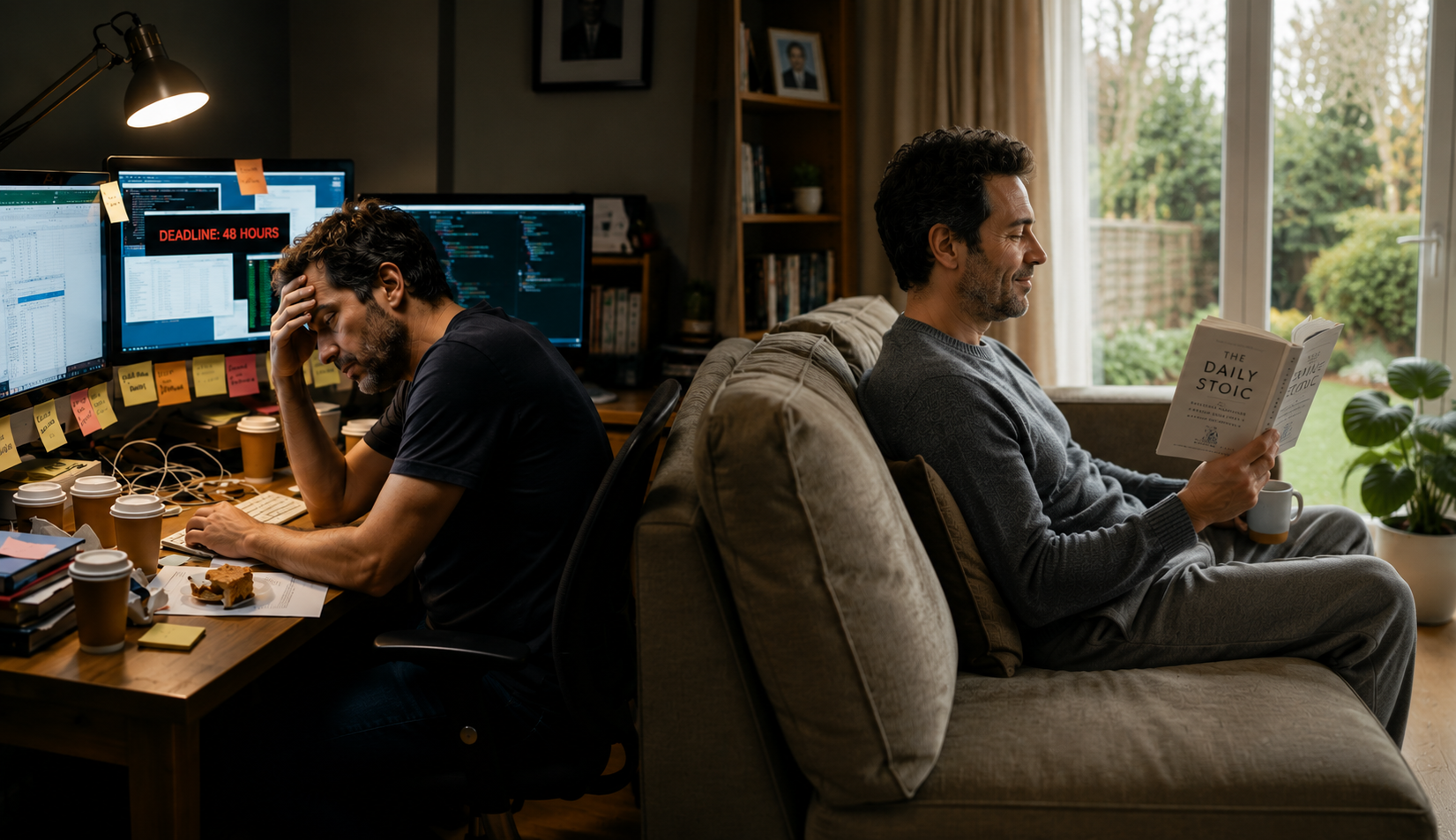
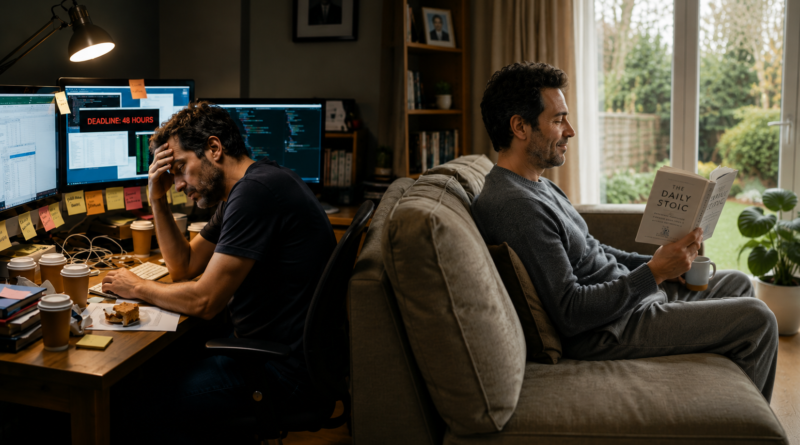
You know that feeling when your alarm goes off at 6 AM and your first thought is — before you’ve even opened your eyes — “I’m already behind”?
Yeah. That’s hustle culture living in your head rent-free.
And then there’s the other side. The TikTok of someone wrapping their hands around a warm mug, soft light coming through the curtains, no notifications, no rush. Just… a Tuesday morning that actually feels good. That video has 4 million likes and you’ve watched it three times.
That’s the soft life calling your name.
Right now, these two worlds are at war on every feed, every podcast, every office break room conversation. And the funny thing is — if you look closely — neither side looks particularly happy.
Remember When Hustle Culture Felt… Good?
Be honest. There was a time when “rise and grind” actually felt motivating. When watching someone’s 5 AM routine made you want to be better. When the idea that you could outwork anyone if you just tried hard enough felt like the most hopeful thing in the world.
And for some people, hustle culture delivered. It really did.
But for a lot of people — especially millennials who bought into it hardest — the payoff never came. They did everything right. The degree. The unpaid internship. The side hustle on top of the full-time job. The 60-hour weeks. And they still ended up burnt out, in debt, and wondering why the life they were promised isn’t quite there yet.
Gen Z watched all of this happen. And they quietly decided: not for me.
What ‘Soft Life’ Actually Means (It’s Not What You Think)
Let’s clear something up, because the hustle crowd loves to misread this one.
Choosing a soft life doesn’t mean you’re lazy. It doesn’t mean you don’t have goals, or that you want to lie in bed all day eating crisps and watching reality TV.
It just means you’ve decided that your job doesn’t get to be your whole personality.
In real life, it looks more like this:
- Not answering work emails at 9 PM — and actually meaning it this time
- Taking your lunch break away from your desk, every single day
- Saying no to things that drain you, without writing a three-paragraph explanation
- Finding genuine joy in small moments — the walk, the coffee, the quiet evening
A 21-year-old said something recently that really hit home: “Our parents worked incredibly hard and gave up so much. But we also watched how stressed and tired their lives became. I want a career. I just also want a life.”
Honestly? That’s not a radical statement. That’s just a person figuring out what actually matters to them.
The Stats That Make You Go ‘Hmm’
Here’s where it gets interesting. This isn’t just a vibe or a trend that’ll disappear in six months.
64% of Gen Z say mental wellbeing matters more to them than financial growth. 58% would genuinely take less money if it meant a better work-life balance. And a 26-year-old office worker recently said online: “People brag about 14-hour days like it’s something to be proud of. To me, that just sounds like a cry for help.”
That comment got 200,000 likes. People felt that.
Meanwhile, burnout isn’t a buzzword anymore — it’s a public health conversation. Psychologists have been saying for years that overwork leads to anxiety, depression, and a cycle where you push harder and get less back. Your body starts sending invoices for all those skipped breaks and missed dinners. And at some point, it stops accepting excuses.
But Here’s the Part Nobody Talks About…
The soft life, at its Instagram-perfect extreme, has its own problems too. And if we’re being real with each other, we should talk about them.
Because the version of “soft living” that gets the most likes? It’s often incredibly expensive. The linen bedding. The matcha sets. The “minimalist” wardrobe that somehow costs £1,200. The wellness retreats. The aesthetic apartment that looks like a spa.
There’s a whole industry making a lot of money selling you the idea of doing less.
And then there’s the harder truth: not everyone gets to opt out. Single parents holding down two jobs don’t have a slow morning routine. People in physically demanding work can’t romanticise their commute. For a lot of people, the soft life isn’t a philosophy — it’s a luxury.
Critics also point out something worth hearing: ambition still matters. Drive still matters. The world doesn’t stop because you decided to be more intentional. Some things genuinely do require hard work and discomfort to build.
What Both Sides Are Getting Wrong
| ⚡ Hustle Culture’s Blind Spots | 🌿 Soft Life’s Blind Spots |
| Treats rest like failure and burnout like a trophy. Your value as a person = how busy you are. | Can be expensive, unrealistic, and quietly tells people that hard work and peace can’t exist together. |
| Ignores that people are not machines. Rest isn’t laziness — it’s how humans actually work. | Sometimes avoids the discomfort that real growth actually requires. Comfort isn’t always the answer. |
The People Actually Winning? They Never Picked a Side
Think about the people in your life who seem genuinely content. Not the ones performing happiness online. The actually-seem-fine ones.
Chances are, they’re not grinding themselves into the ground. But they’re also not doing nothing. They work hard at things that mean something to them. And then they fully stop. They don’t check emails on holiday. They don’t feel guilty about a slow Sunday. But they also don’t shy away from a challenge when it matters.
That’s the in-between nobody’s selling, because it doesn’t make a great TikTok.
It’s not “girl boss grind” content. It’s not a soft morning routine aesthetic. It’s just… a person who figured out what they actually want and built their life around that.
What Does This Mean If You’re at Work Right Now?
If you’re an employee reading this: you don’t have to choose between being ambitious and being a human being. You can want the promotion and leave on time. You can care about your work and take your full lunch break. Those things aren’t opposites.
If you’re a manager or a business owner: the companies that are actually keeping their best people right now aren’t the ones with the coolest office perks. They’re the ones where people feel like they can do great work and still have a life. That’s it. That’s the whole secret.
Gen Z isn’t asking to coast. They’re asking to be treated like adults who have lives outside of work. Which, when you say it out loud, sounds pretty reasonable.
So… Who’s Actually Winning?
Right now? If we’re being honest — neither extreme.
The hardcore hustlers are exhausted and quietly falling apart while posting about discipline. The picture-perfect soft lifers are sometimes just performing peace for an audience while their actual lives are messier than their feed suggests.
But the people who are genuinely doing well? They stopped performing altogether. They work hard when it counts. They rest without making it a whole thing. They’ve stopped asking “am I being productive enough?” and started asking “is this actually making my life better?”
And maybe that’s the most rebellious thing you can do in 2026.
Not grinding. Not drifting. Just building something real, at a pace that doesn’t break you.