
Matamgi Manipur (1972): History of Manipur’s First Feature Film
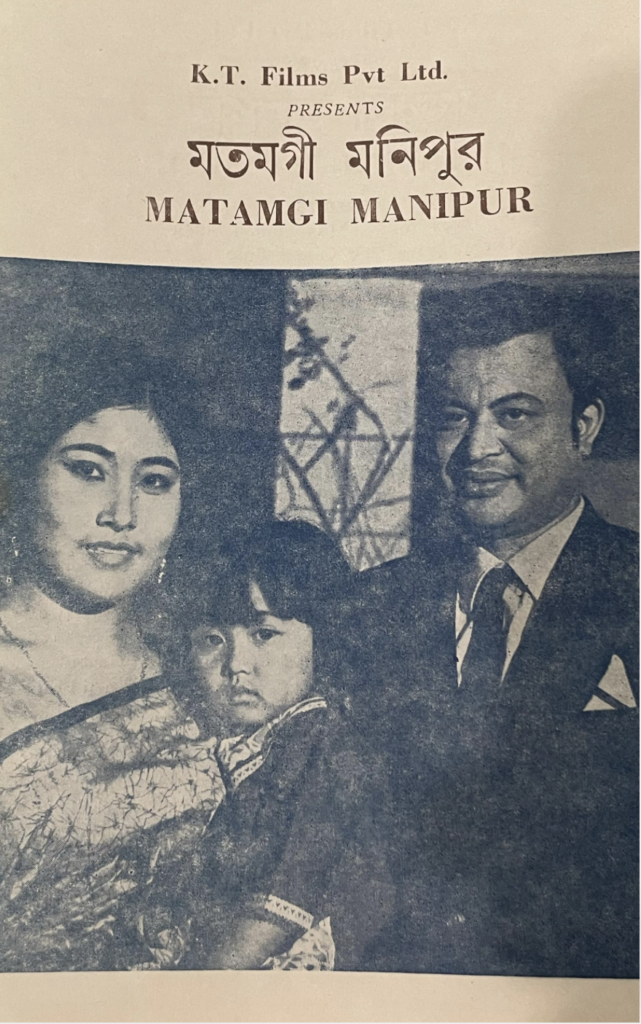
The history of Manipuri cinema began with a landmark film that introduced Manipur to a new era of filmmaking. Released on 9 April 1972, Matamgi Manipur became the first full-length feature film in Manipuri cinema. Directed by Debkumar Bose, the film laid the foundation for the growth of the film industry in Manipur.
The release of this film marked an important moment in the cultural history of Northeast India. Despite the challenges of limited resources and technological facilities, Manipuri cinema gradually developed into an important medium for expressing the region’s cultural identity, social experiences and artistic traditions.
According to the Press Information Bureau of India, the release of Matamgi Manipur on 9 April 1972 marked the beginning of Manipuri feature cinema.
What Is Matamgi Manipur?
Matamgi Manipur, which can be translated as “The Times of Manipur,” is a black-and-white Manipuri feature film released in 1972. It was directed by Debkumar Bose and produced by Karam Monomohan under the banner of K.T. Films Private Limited.
The film features G. Ravindra Sharma and Yengkhom Roma in leading roles. Its story was written by Arambam Samarendra, while Debkumar Bose handled the screenplay and direction. The film was adapted from Samarendra’s theatrical play Tirtha Yatra.
The film’s historical significance extends beyond its status as the first full-length Manipuri feature film. It demonstrated that regional stories and theatrical traditions could be adapted for the cinema screen.
For further historical details, readers can consult the Indian cinema archive maintained by the Directorate of Film Festivals.
The Story and Social Significance of Matamgi Manipur
Matamgi Manipur centres on a middle-class family and explores the experiences of a Manipuri housewife within her domestic environment. The narrative depicts family relationships and the difficulties faced by a woman whose husband creates conflict within the household.
By focusing on domestic life, the film presents a social world familiar to its audience. Its narrative also offers an opportunity to examine gender roles, marriage, family relationships and the position of women within society.
From a cultural perspective, the film is significant because it places everyday social experiences at the centre of regional storytelling. Rather than relying solely on spectacle, it uses family life as a means of exploring broader social concerns.
These themes make Matamgi Manipur a valuable subject for film studies, gender studies and research on the representation of Manipuri society.
Why Is Matamgi Manipur Important in the History of Manipuri Cinema?
1. The beginning of Manipuri feature filmmaking
Before Matamgi Manipur, Manipuri stories and theatrical traditions already existed within the region’s cultural life. The film introduced a new medium through which these narratives could reach cinema audiences.
Its release established an important milestone for subsequent filmmakers and helped create a foundation for the development of Manipuri feature films.
2. Recognition at the national level
The film received the President’s Medal at the 20th National Film Awards, bringing national recognition to Manipuri cinema. This achievement demonstrated the importance of regional-language filmmaking within Indian cinema.
Its recognition also helped establish the historical importance of the first generation of Manipuri filmmakers.
3. Representation of Manipuri society
Cinema can preserve and communicate social experiences, customs and cultural values. By portraying family life and relationships, Matamgi Manipur contributed to the representation of Manipuri society through film.
The film can therefore be studied as both a cinematic milestone and a cultural document of its period.
4. Inspiration for future filmmakers
The emergence of Manipuri cinema encouraged further experimentation with storytelling, acting, music and film production. Later films expanded the industry’s artistic possibilities and brought Manipuri stories to wider audiences.
For a broader account of the industry’s development, read the Indian Express report on the 50th anniversary of Manipuri cinema.
Mami Numit: Celebrating the Birth of Manipuri Cinema
Every year, 9 April is observed as Mami Numit, or Cinema Day, in Manipur. The occasion commemorates the release of Matamgi Manipur in 1972 and recognises the contributions of filmmakers, actors, technicians and other members of the Manipuri film industry.
Mami Numit is more than an anniversary. It celebrates the history of regional filmmaking and the determination of artists who have continued to tell stories rooted in Manipuri life and culture.
The Ministry of Information and Broadcasting’s announcement about the golden jubilee of Manipuri cinema provides further information about this historic milestone.
The Growth of Manipuri Cinema After 1972
Following Matamgi Manipur, Manipuri cinema gradually expanded its storytelling and technical capabilities. Films explored social relationships, folklore, cultural traditions and changing realities within Manipuri society.
Another notable early film was Brojendragee Luhongba, released in 1972 and directed by Sapam Nodia Chand, also known as S. N. Chand. It holds a special place in the industry’s history as an early feature film made by a Manipuri filmmaker.
In later decades, filmmakers such as Aribam Syam Sharma gained recognition for their contributions to Manipuri cinema. His film Imagi Ningthem (1981), for example, received international recognition after winning the Golden Montgolfiere at the Festival of Three Continents in 1982.
These developments illustrate how Manipuri cinema grew from its early beginnings into a distinctive regional film tradition with national and international significance.
Conclusion
Matamgi Manipur remains one of the most important films in the cultural history of Manipur. Released on 9 April 1972, it established the beginning of Manipuri feature cinema and opened new possibilities for regional storytelling.
Its depiction of family relationships and social experiences, combined with its national recognition, makes it an important subject for understanding the development of Manipuri cinema.
Today, the celebration of Mami Numit continues to honour this achievement and the generations of artists who have contributed to the industry. More than five decades after its release, Matamgi Manipur remains a landmark in the history of Indian regional cinema.
Frequently Asked Questions (FAQs)
1. Which was the first Manipuri feature film?
Matamgi Manipur, released in 1972, was the first full-length feature film in Manipuri cinema.
2. Who directed Matamgi Manipur?
The film was directed by Debkumar Bose.
3. When was Matamgi Manipur released?
It was released on 9 April 1972.
4. Why is 9 April important in Manipur?
The date is celebrated as Mami Numit, or Cinema Day, commemorating the release of the first Manipuri feature film.
5. Did Matamgi Manipur receive a national award?
Yes. The film received the President’s Medal at the 20th National Film Awards.
6. What is the significance of Matamgi Manipur?
It marked the beginning of Manipuri feature cinema and helped establish a foundation for the representation of Manipuri society and stories through film.