Unstoppable Trailblazer: The Legacy of Chandraprava Saikiani, Assam’s Iron Lady
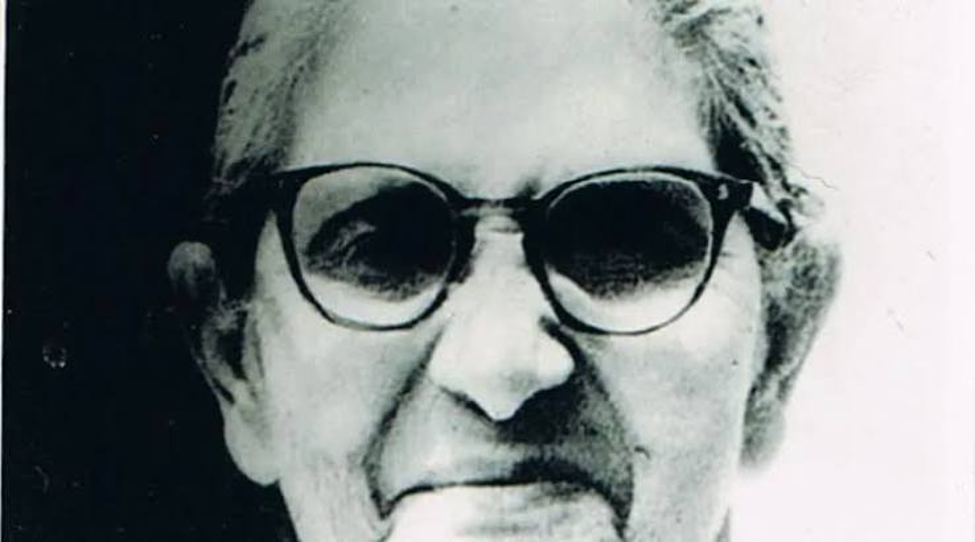
Born as Chandrapriya Mazumdar on March 16, 1901, in the small village of Daisingari in present-day Bajali district, Chandraprava Saikiani emerged as a formidable force against orthodoxy and patriarchal tyranny in 20th-century Assam. In an era where formal schooling for girls was virtually non-existent, young Chandraprava and her sister trudged through difficult muddy terrains every day to attend a local boys’ school—a initial act of quiet defiance that set the course for her entire life. Her rare determination caught the attention of school inspector Nilkanta Barua, who helped secure her a scholarship to the Nagaon Mission School. Even as a student, Saikiani refused to yield to injustice; when school authorities denied hostel accommodation to a student who refused religious conversion, her steadfast protest forced the institution to reverse its policy.
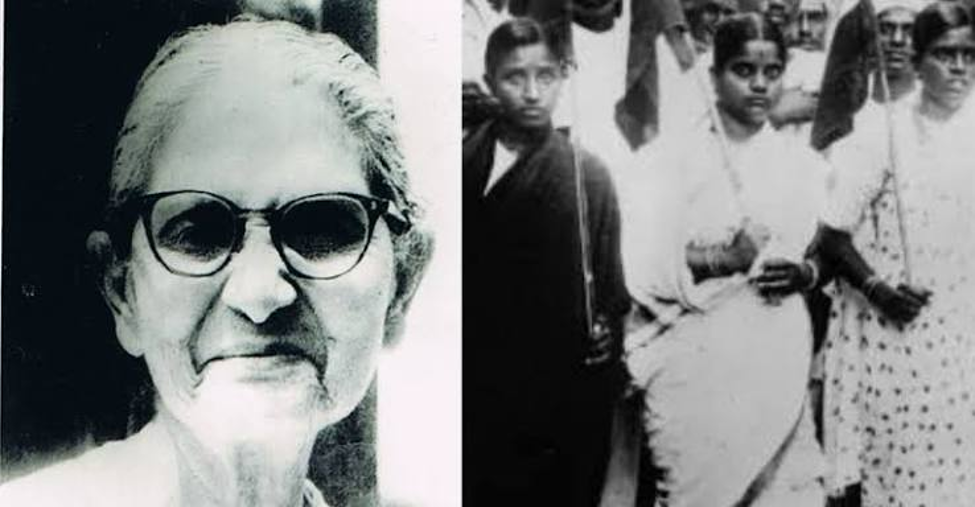
Saikiani’s commitment to female literacy quickly evolved into a broader social movement. After beginning her career as an educator and eventually becoming the headmistress of the Girls’ M.E. School in Tezpur, she used her voice to challenge entrenched societal norms like child marriage, caste division, and restrictions on women’s public presence. A pivotal historic moment occurred at the 1925 Assam Sahitya Sabha session in Nagaon. Outraged that female attendees were forced to sit behind a raised bamboo screen, Saikiani delivered an impassioned speech urging women to dismantle the barrier. The women heeded her call, stepping into the main assembly and marking a landmark victory for gender equality in Assamese public discourse.
Driven by a vision of organized collective action, Saikiani founded the All Assam Pradeshik Mahila Samiti in 1926, laying the foundation for modern feminist organization across Northeast India. Under her leadership, the organization spearheaded initiatives focused on women’s education, vocational self-employment, anti-opium campaigns, and the abolition of oppressive social traditions. She also fought relentlessly against caste-based discrimination, leading a successful movement to grant people of all castes and backgrounds entry into the historic Hayagriva Madhava Temple at Hajo.
Beyond her social crusades, Saikiani played an active role in India’s struggle for independence. Inspired by Mahatma Gandhi, she joined the Non-Cooperation Movement in 1921, traveling across rural Assam to mobilize women for the national cause. Her radical activism led to multiple imprisonments during the Civil Disobedience Movement in 1930 and the Quit India Movement in 1942. Post-independence, her political courage remained undiminished; in 1957, she became the first Assamese woman to contest an election for the Assam Legislative Assembly.
Saikiani was also a prolific literary figure and editor. She expressed her sociopolitical philosophy through novels such as Pitribhita (1937), as well as numerous poems, short stories, and critical essays. For over seven years, she edited Abhijatri, the prominent publication of the Mahila Samiti dedicated to elevating women’s consciousness. Her life’s journey was later immortalized in Nirupama Borgohain’s Sahitya Akademi Award-winning biographical novel Abhijatri.
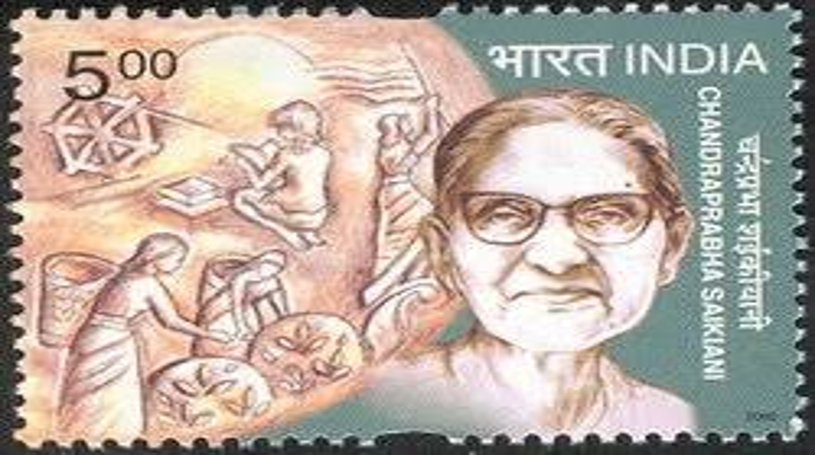
Although national honors came late—she received the Padma Shri in 1972 shortly before her passing, followed by a commemorative postal stamp in 2002—Chandraprava Saikiani’s legacy remains timeless. Her life as a single mother, educator, writer, and activist embodies an unmatched resilience that continues to inspire generations striving for social justice and human dignity across India.