Mumbai Groundwater Crisis: Study Finds 35% of City Vulnerable to Seawater Intrusion
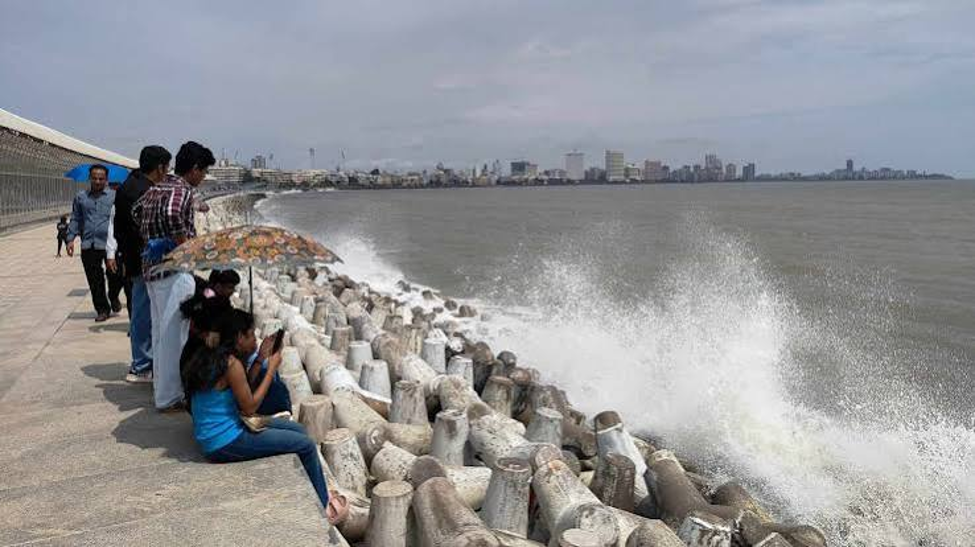
Mumbai Groundwater Crisis Raises Concerns Over Freshwater Security
The Mumbai Groundwater Crisis has raised fresh concerns about the future of freshwater availability in India’s financial capital. According to the Central Ground Water Board (CGWB) Aquifer Management Plan, approximately 35% of Mumbai is highly vulnerable to seawater intrusion into its freshwater aquifers. The findings highlight a growing environmental challenge that could threaten local water resources and long-term urban water security.
The assessment mapped aquifers across approximately 603 square kilometres covering Mumbai and its suburban areas. Several prominent neighbourhoods, including Fort, Shivaji Park, Mulund East and Mahim, have reportedly recorded high electrical conductivity levels in groundwater, indicating elevated concentrations of dissolved salts. Shallow aquifers along the western and southern coastlines, as well as deeper aquifers near eastern creeks, are among the areas facing salinity-related concerns.
What Is Causing the Mumbai Groundwater Crisis?
One of the major factors associated with the Mumbai Groundwater Crisis is excessive groundwater extraction. As urban development expands and households and businesses increasingly depend on borewells and local wells to supplement municipal water supplies, groundwater levels can decline.
In coastal areas, excessive pumping can disrupt the natural balance between freshwater and seawater, allowing saline water to move inland and enter freshwater aquifers. This process, known as seawater intrusion, can increase groundwater salinity and make the water unsuitable for drinking or other domestic uses without appropriate treatment.
The consequences extend beyond water availability. Saline groundwater can accelerate the corrosion of buried metal pipes and steel reinforcement in concrete structures under certain conditions. This creates additional concerns for urban infrastructure, although the extent of any structural damage depends on local groundwater conditions and exposure.
Areas Affected by Groundwater Salinity in Mumbai
The CGWB assessment highlights the vulnerability of multiple parts of Mumbai to groundwater salinity. Areas such as Fort, Shivaji Park, Mulund East and Mahim have been identified in the reported findings for elevated electrical conductivity.
Electrical conductivity measures how readily water conducts electricity and is commonly used as an indicator of dissolved ionic substances. Higher readings can signal elevated salinity, although further chemical analysis is needed to establish the precise composition and suitability of groundwater for drinking.
Coastal aquifers are particularly susceptible to seawater intrusion because freshwater and seawater interact underground. The degree of vulnerability varies according to aquifer depth, geological conditions, groundwater extraction and proximity to the coast.
Measures to Address Mumbai’s Groundwater Crisis
Addressing the Mumbai Groundwater Crisis will require coordinated action by groundwater regulators, municipal authorities, businesses and residents. The reported CGWB recommendations include restrictions on groundwater development in severely affected areas, including Shivaji Park, and controls on groundwater extraction depth in areas such as Fort.
The Brihanmumbai Municipal Corporation (BMC) has also undertaken groundwater sampling initiatives to assess local water quality and understand variations in salinity across neighbourhoods.
Experts identify several measures that could help protect groundwater resources:
- Regulate groundwater extraction: Enforce applicable restrictions and monitor borewells in vulnerable coastal areas.
- Expand rainwater harvesting: Capture monsoon rainfall to support groundwater recharge where local geological conditions permit.
- Monitor groundwater quality: Conduct regular testing for salinity and other contaminants.
- Strengthen urban water management: Reduce dependence on uncontrolled groundwater extraction through better planning and efficient municipal water distribution.
- Protect coastal aquifers: Use hydrogeological assessments to guide development and groundwater management decisions.
Conclusion
The Mumbai Groundwater Crisis highlights the challenges of protecting freshwater resources in a densely populated coastal city. With approximately 35% of Mumbai reportedly classified as highly vulnerable to seawater intrusion, groundwater monitoring, responsible extraction and effective rainwater management will be essential to improving long-term water security.
As the city continues to expand, protecting its aquifers will require sustained coordination between public authorities, infrastructure planners and local communities. Early intervention can help limit further salinity problems and preserve groundwater as a supplementary resource for future generations.