
Jonbeel Mela
By Dr. Neha Boruah
Introduction:
Jonbeel Mela is a community fair organized in the Morigaon district of Assam. Dayang Belguri located near the lake Jonbeel in the district is a historical place and forms the exquisite venue for the event. This three day fair is held at the weekend of the harvest festival of Assam called Magh Bihu. Jonbeel is an Assamese term which refers to the moon and a wetland respectively and the fair derives its name from the large natural water body, Jonbeel, next to which the fair is celebrated. The lake resembles the shape of a crescent moon. It is a vibrant and unique cultural event takes place annually in the state. It is a century fair, has garnered attention for its exceptional focus on traditional barter trade among various tribes. Jonbeel Mela stands out as one of the last places where barter trade still exists, providing a fascinating glimpse into a bygone era.
Historical Significance of Jonbeel:
Jonbeel Mela is believed to have originated in 15th century AD. The Ahom kings led to the commencement of this fair for discussing the political situations prevailing in their kingdom. Jonbeel mela means ‘The Moon Fair’ in Assamese, has a rich history dating back more the 500 years. It os also a royal gathering, where Ahom kings would various indigenous tribal communities to foster relationships, trade goods and promote cultural exchange. For centuries, the tribes and communities around Assam have been participating in this event.
Barter System:
Barter system is the heart and soul of Jonbeel Mela. People exchanging goods directly for other goods without the involvement of money offers a fascinating cultural experience. Tribal communities of Assam, Meghalaya and other neighbouring regions where agricultural products, handicrafts livestock and ither essential goods. The items exchanged reflect the diversity and traditions of the different tribes that participate. For Eg: farmers from the surrounding areas may bring fresh vegetables, fruits, rice and herbs while artisans may offers traditional handicrafts, such as woven baskets, jewellery and pottery. Livestock such as cows, goats and chickens and exchanged highlighting the animal husbandry in the daily lives of the people in this region. Tribal communities such as Jayantia, Tiwa, Khasi and Karbi belonging to the northeast India descend down the hills with their indigenous products and exchange their artefacts and basic articles of necessity with the local folks of the plains in a barter system. Herbs, spices, fruits, ginger, etc are brought by the people of the hills to interchange them with rice, cakes and other food stuffs that cannot be grown on hills. Numerous tribal villagers from the different parts of Assam arrive in this beautiful place to meet the folks of the plains for exchanging goods. During the three days of the festival temporary bamboo huts are created by these people where they cherish the festivity with great enthusiasm. It is referred to as a hi-tech age barter system and is possibly the only fair in the country where barter system is still active. In fact this is quite an uncommon practice in this civilized modern society.
Main Features of the Mela:
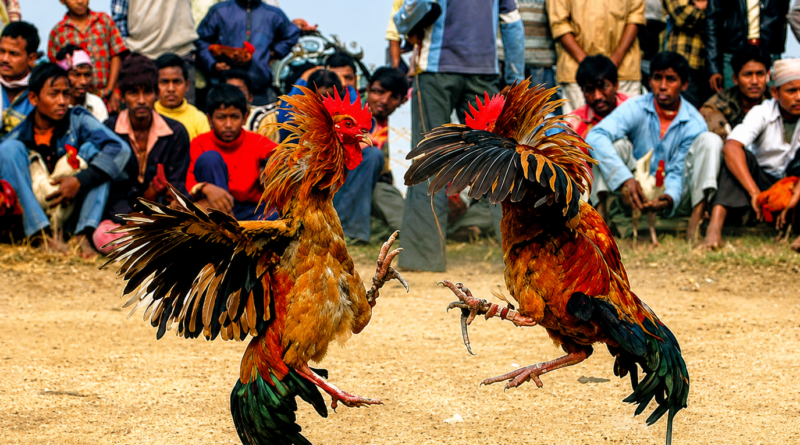
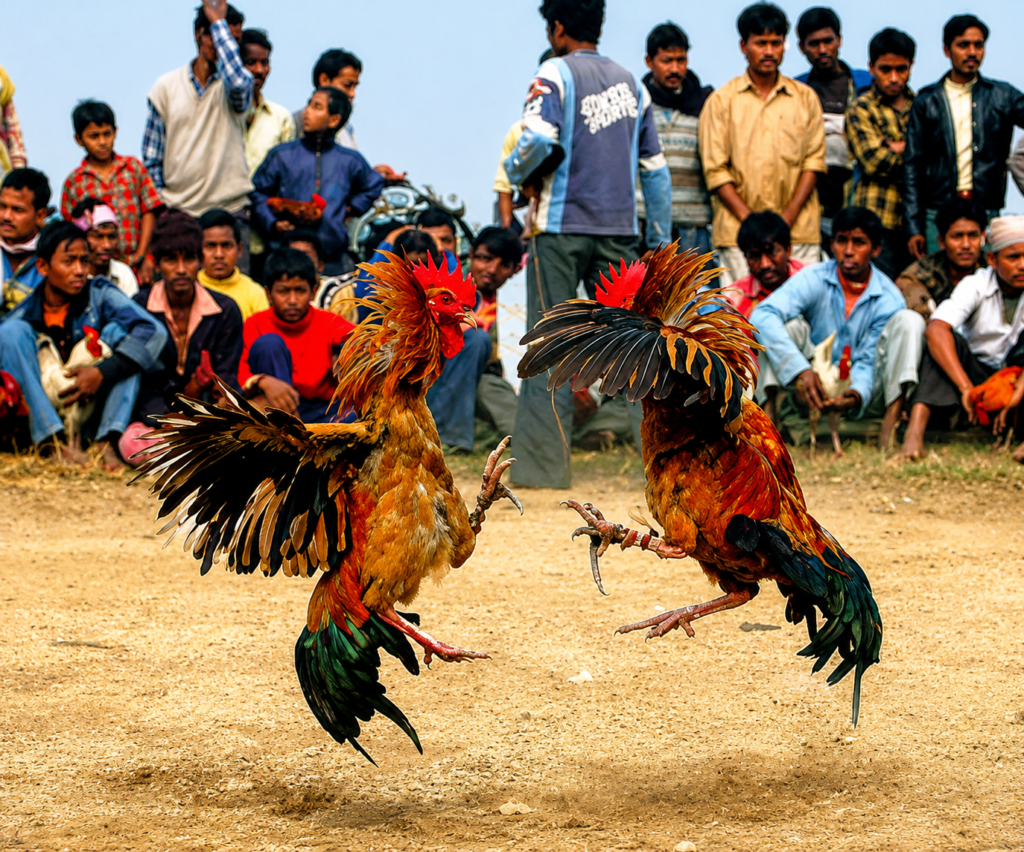
Community fishing in the Jonbeel wetland marks the beginning of the fair. Jonbeel Mela is characterized by a huge and vibrant. Traditional dance and music can also be witnessed there, performed by the various tribes. Cock fights, group meals and exhibitions of varied artefacts form prime attractions for the visitors from all around the country. It is also visited by the Gova king, the King of Tiwa tribes, along with his courtiers for collecting taxes from his subjects. On the day before the fair, a community feast is arranged by the king with his officers on the bank of Jonbeel. Promoting the harmony and brotherhood among the various communities and tribes dwelling in the northeast India is the main focus of Jonbeel Mela.
Preserving Cultural Heritage:
Due to rapid modernization traditional practices are often overshadowed by technological advancements and economic growth Jonbeel mela plays a crucial role in preserving the cultural heritage. The fair serves as a platform for showcasing the ancient eays of life that have been handed down through opportunity for younger people to connect with their roots. It reminds us of the value of relationship, trust and collaboration. It is about honouring the age old bonds that have existed between these tribes for centuries. The mela is also an educational aspect that draw attention of scholars and anthropologist who have interest in the lost history
Conclusion
Jonbeel Mela is much more than just a traditional fair. It is a celebration of Assam’s cultural diversity its history and its indigenous practices. The fair with its unique focus on barter trade where visitors can experience firsthand the way communities used to trade and celebrate life. With its rich history, diverse participation from various tribes, and strong emphasis on preserving cultural heritage, Jonbeel Mela stands as a powerful reminder of the importance of maintaining traditions and customs in the face of modernization. Experiencing a truly unique cultural event, Jonbeel Mela offers an incredible opportunity to witness the survival of the barter system and the vibrant traditions of Assam’s indigenous tribes. It strength and resilience of cultural heritage, ensuring that these traditions continue to thrive for generations to come.