
India–New Zealand Trade Deal: A New Economic Era?
Introduction
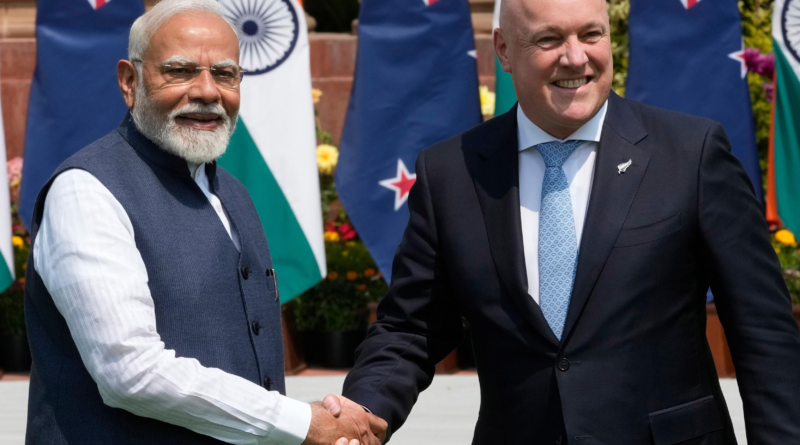
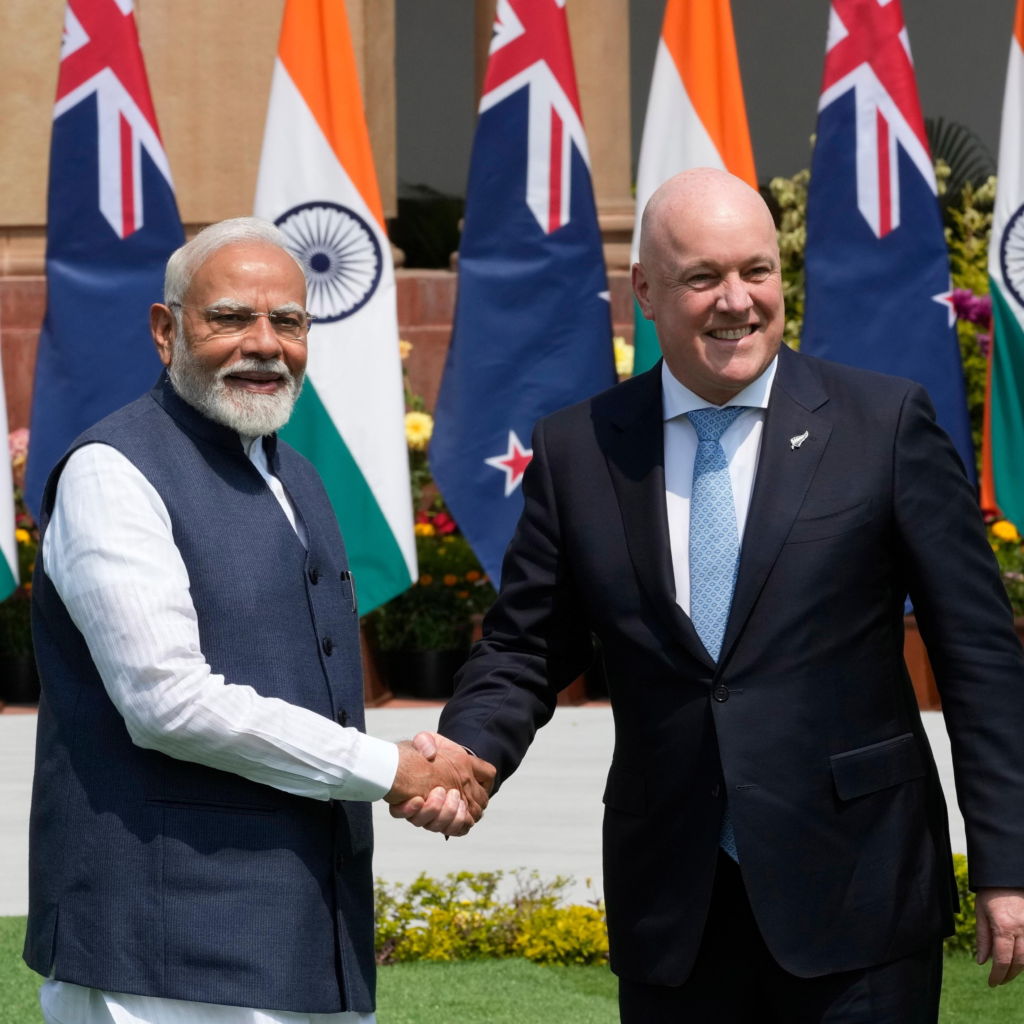
India–New Zealand Trade Deal: A New Economic Era? The question has gained attention after India and New Zealand announced a new Strategic Partnership and unveiled an ambitious Roadmap to 2030. While the announcement may appear to be another diplomatic milestone, economists believe its real significance lies in its long-term economic potential. If implemented effectively, the agreement could strengthen trade, encourage investment, improve technology cooperation, and create fresh opportunities for Indian businesses and professionals.
India–New Zealand Trade Deal: A New Economic Era?
India–New Zealand Trade Deal: A New Economic Era? The answer will depend not only on government promises but also on how businesses, exporters, and investors take advantage of the new opportunities. India has been actively expanding its global trade partnerships to reduce supply-chain risks and increase exports. The partnership with New Zealand fits perfectly into this broader strategy by focusing on sustainable growth, innovation, education, agriculture, renewable energy, and digital transformation.
Although bilateral trade between the two countries remains relatively small compared to India’s trade with larger economies, both governments have set an ambitious target of significantly increasing trade by 2030. If successful, the partnership could become another important pillar of India’s growing presence in the Indo-Pacific region.
Why This Partnership Matters
International trade is becoming increasingly important as countries seek reliable partners in an uncertain global economy. Geopolitical tensions, inflation, supply-chain disruptions, and changing consumer demand have encouraged nations to diversify their economic relationships.
For India, strengthening ties with New Zealand is about much more than increasing exports. It also creates opportunities for knowledge sharing, innovation, research collaboration, investment, and technological advancement.
New Zealand, despite its relatively small population, is recognised globally for its expertise in agriculture, food processing, education, environmental sustainability, and clean technologies. India, meanwhile, offers one of the world’s fastest-growing consumer markets, a rapidly expanding digital economy, and a highly skilled workforce.
The combination creates opportunities that extend well beyond simple trade.
Which Sectors Could Benefit the Most?
Agriculture and Food Processing
Agriculture remains one of New Zealand’s strongest industries. Indian farmers and agribusinesses could benefit from collaborations in dairy technology, precision farming, food safety, irrigation techniques, and sustainable agricultural practices.
Indian exporters may also find new opportunities for products such as tea, coffee, spices, rice, processed foods, seafood, and organic products.
Information Technology
India’s IT industry has become one of the country’s biggest economic strengths. The new partnership encourages cooperation in artificial intelligence, cloud computing, cybersecurity, fintech, and digital public infrastructure.
Indian technology companies could secure new business opportunities while New Zealand businesses gain access to India’s growing digital expertise.
Renewable Energy
Both countries have committed to increasing cooperation in renewable energy and climate-friendly technologies.
As India continues investing heavily in solar power, green hydrogen, electric mobility, and sustainable infrastructure, partnerships with technologically advanced nations can accelerate innovation while attracting foreign investment.
Education and Research
Education has become an important economic sector. Greater collaboration between universities, research institutions, and skill-development programmes could benefit thousands of students seeking international education and academic partnerships.
Joint research projects may also improve innovation in healthcare, climate science, agriculture, and emerging technologies.
What Does This Mean for Indian Businesses?
The biggest beneficiaries could be export-oriented businesses.
Greater economic cooperation often leads to stronger business confidence, easier market access, increased investment, and better technology sharing. Small and medium-sized enterprises (MSMEs), which contribute significantly to India’s exports, could gain access to new customers and international partnerships.
Companies operating in logistics, consulting, financial services, food processing, education, renewable energy, and information technology may also benefit if trade volumes increase over the coming years.
Could This Create More Jobs?
Trade expansion generally supports employment growth.
When exports increase, businesses usually expand production, invest in new facilities, and hire additional workers. Demand may rise for professionals in finance, accounting, logistics, supply-chain management, international marketing, software development, engineering, and manufacturing.
Although no official employment targets have been announced, stronger trade relationships often contribute to job creation indirectly through increased private-sector activity.
Challenges That Cannot Be Ignored
Despite the optimism, several obstacles remain.
Geographical distance increases transportation costs compared with trade among neighbouring Asian countries. Businesses must also comply with different regulatory standards, quality requirements, customs procedures, and certification processes.
Furthermore, international agreements often generate excitement during their announcement but require years of consistent policy implementation before delivering measurable economic benefits.
The private sector will play an equally important role in determining whether this partnership achieves its full potential.
What Should Investors Watch?
While the announcement is unlikely to trigger immediate changes in financial markets, long-term investors should monitor industries that stand to benefit from stronger bilateral cooperation.
These include export-focused manufacturers, IT companies, logistics providers, renewable energy firms, educational institutions, agricultural businesses, and companies involved in international trade.
Investors should focus less on short-term market reactions and more on how government policies translate into real commercial opportunities over the next decade.
Looking Ahead
India’s economic strategy increasingly focuses on expanding partnerships with trusted nations while strengthening its role in global supply chains. The Strategic Partnership with New Zealand reflects this long-term vision.
If both governments successfully implement the Roadmap to 2030, businesses could gain improved market access, students may benefit from greater educational cooperation, and investors could discover new opportunities across multiple sectors.
While challenges remain, the agreement represents more than diplomacy—it signals a shared commitment to sustainable economic growth, innovation, and resilience in an increasingly competitive global economy.
Conclusion
The India–New Zealand Trade Deal: A New Economic Era? is not simply about increasing trade figures. It represents a broader effort to build stronger economic cooperation in areas that will shape future growth, including technology, education, renewable energy, agriculture, and investment.
Its true success will depend on execution rather than announcements. If both countries convert their commitments into practical business opportunities, the partnership could become an important contributor to India’s export ambitions and long-term economic development.