
Oil Prices Surge After Critical US-Iran Escalation Shakes Markets
Introduction
Oil Prices Surge once again as escalating tensions between the United States and Iran shake global financial markets. Brent crude climbed nearly 10% to around $83 per barrel, while U.S. crude also recorded its biggest single-day gain in months after renewed military actions and heightened concerns over shipping through the Strait of Hormuz. Investors are now reassessing inflation risks, central bank policies, and the outlook for global economic growth.
Oil Prices Surge After Fresh Middle East Escalation
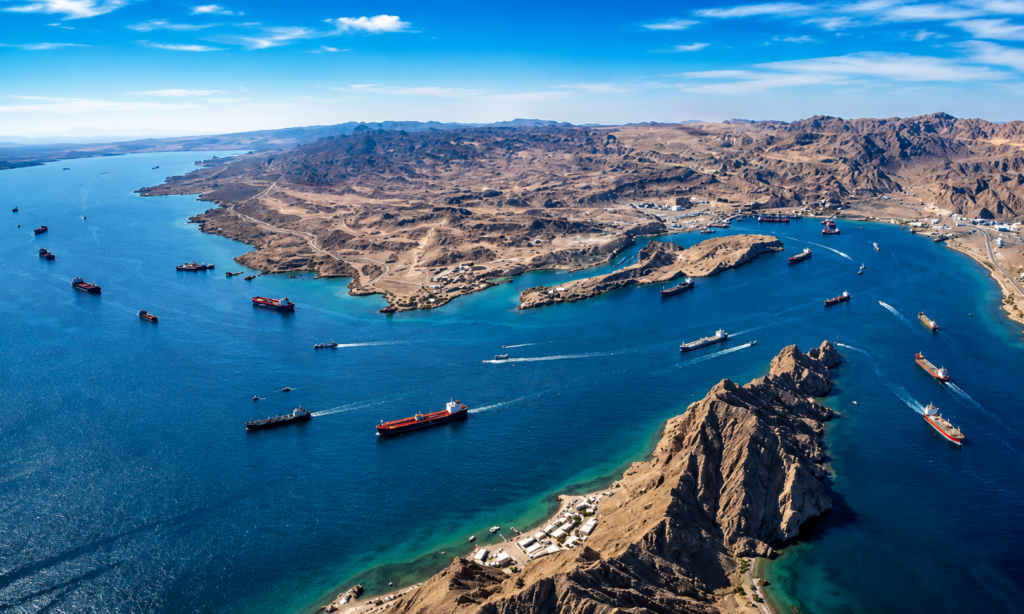
Global energy markets reacted sharply after the United States announced a renewed naval blockade targeting Iranian ports, while Iran responded with fresh military actions across the Gulf region. The latest developments have increased fears that the Strait of Hormuz—a route responsible for transporting nearly one-fifth of the world’s seaborne oil—could face further disruptions. Even without a complete closure, uncertainty alone has been enough to push crude prices significantly higher.
Why Investors Are Worried
Energy prices are among the biggest drivers of global inflation. When crude oil becomes more expensive, transportation, manufacturing, aviation, and logistics costs rise almost immediately. Businesses often pass these higher costs on to consumers, resulting in higher prices for goods and services.
This creates a difficult situation for central banks. Many were expected to gradually reduce interest rates as inflation cooled, but another energy-driven inflation wave could force policymakers to delay rate cuts. Higher borrowing costs could slow investment, consumer spending, and economic growth across major economies.
Global Stock Markets Turn Cautious
Equity markets reacted negatively as investors shifted toward safer assets. Technology shares led the decline, while government bond yields climbed on expectations that interest rates could remain elevated for longer if inflation accelerates again.
Asian markets experienced some of the steepest declines, particularly semiconductor-heavy exchanges, reflecting growing concerns that geopolitical uncertainty could disrupt global supply chains alongside energy markets.
What It Means for India
For India, the rise in crude oil prices presents a significant economic challenge. As one of the world’s largest oil importers, higher crude prices increase the country’s import bill and put pressure on the rupee.
If elevated oil prices persist, India could face:
- Higher petrol and diesel prices.
- Increased transportation and logistics costs.
- Rising inflation.
- Pressure on government finances due to fuel subsidies.
- A wider current account deficit.
These factors may also influence the Reserve Bank of India’s future monetary policy decisions, especially if imported inflation begins to accelerate.
Can Oil Prices Rise Even Further?
Market analysts believe the next few weeks will depend largely on geopolitical developments in the Gulf. If military tensions escalate further or shipping through the Strait of Hormuz faces additional disruptions, Brent crude could remain above $80 per barrel or climb even higher. Conversely, diplomatic progress or easing military activity could stabilize energy markets and reduce inflation concerns.
Analysis: Why This Matters Beyond Oil
The current market reaction highlights how geopolitical events can rapidly reshape the global financial landscape. While the immediate impact is visible in oil prices, the ripple effects extend to inflation, stock markets, interest rates, currencies, and international trade.
For businesses, investors, and policymakers, this serves as a reminder that energy security remains one of the most critical drivers of economic stability. Even a short period of uncertainty in the Middle East can influence financial markets worldwide, making oil prices a key indicator to watch in the coming weeks.