
Trump Paused Iran Strikes This Weekend — Here’s Why the Region Is Still Holding Its Breath
By Adish Subhash
For a few hours this weekend, it looked like the Middle East was about to get a lot more dangerous. Reports said the US and Israel were readying strikes on Iran’s energy infrastructure — oil refineries, power grids, the kind of targets that don’t just hurt a military; they hurt an entire country’s ability to function.
Then, just as quickly, the strikes got called off. Again.
This is where the 2026 Iran war stands right now: five months of fighting, a fragile pause, and a president who keeps threatening escalation only to pull back at the last minute.
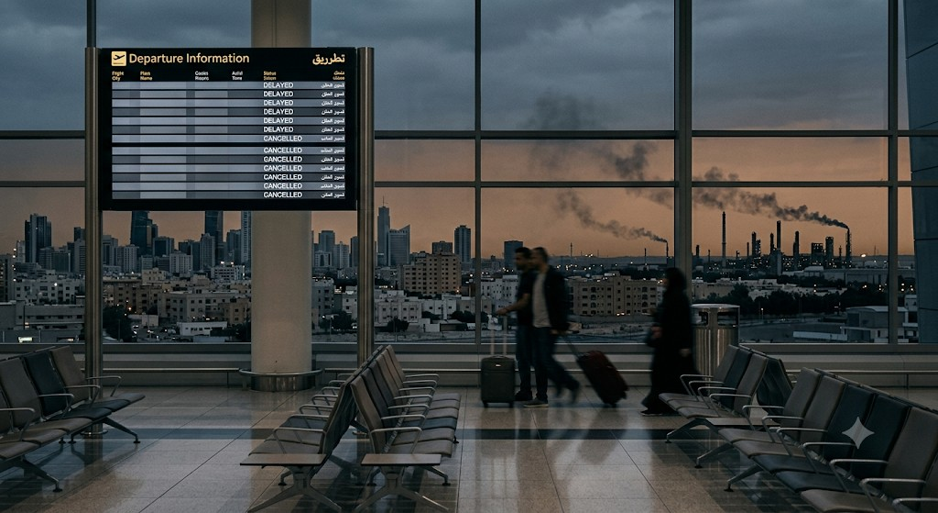
Departure boards show cancellations and delays as travel disruption continues across the region.
How We Got Here
The war isn’t new — it’s been running since February 28, 2026, when the US and Israel launched a joint attack on sites across Iran. The stated goals, according to President Trump, were sweeping: destroy Iran’s ballistic missile capability, cripple its navy, permanently prevent a nuclear weapon, and cut off its support for allied militias across the region.
Iran hit back hard. Retaliatory missile and drone strikes went after US embassies, military bases, and oil infrastructure across the Middle East, including vessels near the Strait of Hormuz — one of the world’s most important oil shipping routes. Flights across the region were grounded for days, and shipping companies rerouted entirely around the Strait and the Red Sea to avoid the crossfire.
A Pakistan-mediated ceasefire and a memorandum of understanding in June briefly calmed things down. It didn’t hold. Both sides have kept trading strikes over what each calls violations of the deal ever since.
This Weekend, Specifically
Here’s what actually happened over the past few days:
- The US and Israel were reportedly planning to bomb Iran’s energy infrastructure as early as this past weekend
- Saudi Arabia’s Crown Prince personally called Trump to caution against a fresh round of strikes
- Trump then ordered US forces to hold off, saying the pause depends on reaching a deal “rapidly”
- He’s floated an agreement that would reopen the Strait of Hormuz and end what he calls “Iran’s nuclear threat”
- Negotiations with Tehran are reportedly set to begin Monday
If that sounds familiar, it’s because it is. Trump has announced strike pauses and pending deals multiple times over the course of this war, only for talks to stall and tensions to spike again days later.
The Human and Economic Cost So Far
| Category | Toll |
| US service members killed | 3 (5 seriously injured) |
| Iranian casualties (per Iranian sources) | 200+ killed, hundreds injured |
| Israeli civilian deaths from Iranian strikes | 28 killed, over 4,000 injured |
| Estimated cost to the US so far | $37.5 billion (Pentagon estimate; officials say real cost may be higher) |
Oil markets have been whipsawing with every headline — prices dropped after news broke that Trump had ordered a halt to new strikes, only to climb again whenever escalation looks imminent.
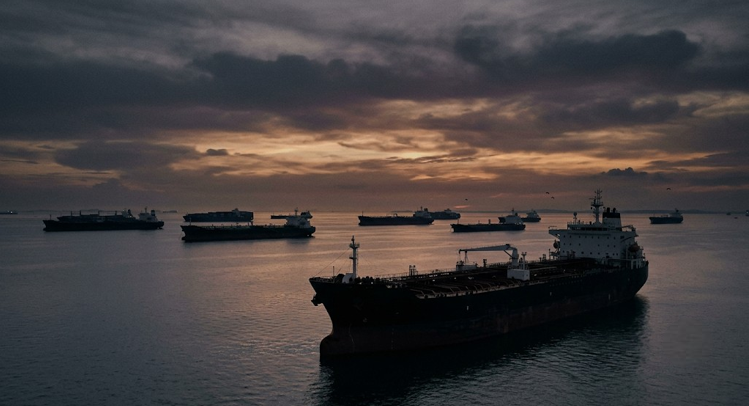
Oil tankers hold near the Strait of Hormuz as shipping routes remain disrupted.
Why This Keeps Happening
Analysts tracking the conflict describe it as stuck in a “familiar but frustrating place.” The core disputes haven’t moved: Iran’s nuclear program, its missile arsenal, and control of the Strait of Hormuz remain unresolved, and neither side has shown it’s willing to give real ground. Threats to hit Iran’s energy infrastructure are seen as an attempt to apply maximum economic pressure without a full ground invasion — but so far, each threat has ended in another pause rather than a breakthrough.
For everyday people in the region, that means the disruption never really lifts. Flight cancellations, airspace closures, and shipping delays keep coming back in waves, even when the headlines quiet down for a few days.
Whether Monday’s talks actually produce a deal — or just another pause before the next round of threats — is the question the whole region is watching.