
Deconstructing Public Unrest in Nepal: Governance, Economy, and Social Harmony
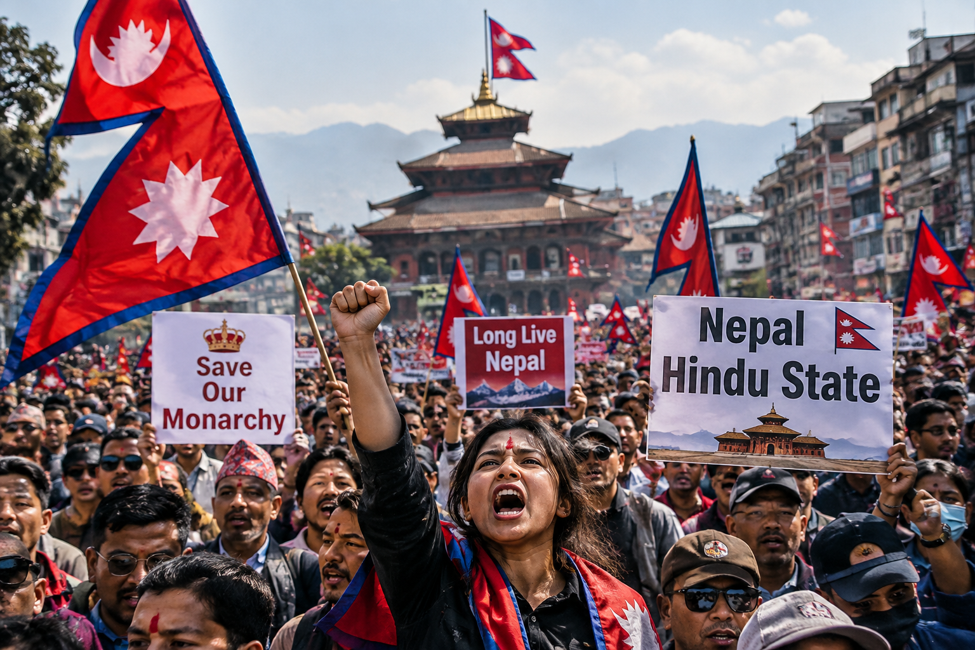
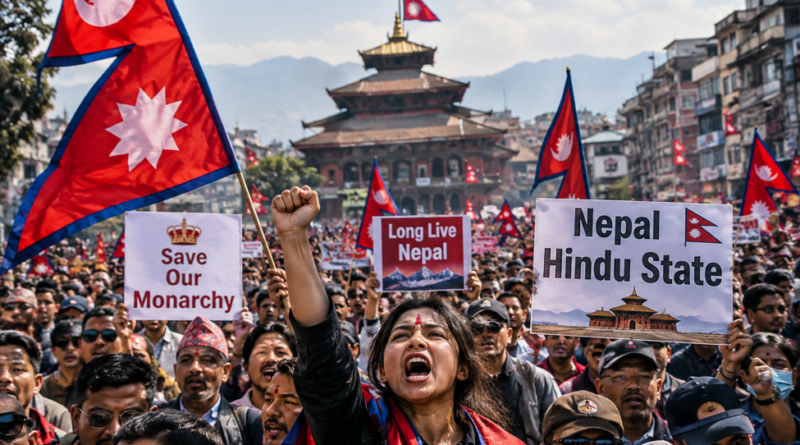
Public demonstrations in Nepal are not uniform; they are complex reflections of a nation navigating political transformation and economic pressures. While urban demonstrations in cities like Kathmandu primarily challenge government transparency and systemic corruption, regional events in southern districts sometimes stem from localized cultural or religious disputes. To fully understand the landscape of civic activism across the country, it is essential to look at both the political drivers in urban centers and the delicate social dynamics in regional communities.
At the heart of urban mobilization is a growing gap between public expectations and economic opportunities. Following the adoption of the 2015 Constitution of Nepal, citizens anticipated greater stability and decentralized governance. However, persistent domestic youth unemployment continues to force thousands of skilled individuals to look for work overseas. This systemic brain drain, paired with rising living costs, routinely leads students, young professionals, and civil society advocates to gather at key civic sites like Maitighar Mandala to demand policy accountability and job creation.
Simultaneously, regional security dynamics present a distinct set of challenges for local administration. In multi-cultural border districts, everyday neighborhood disputes—ranging from religious procession routes to local public noise—can occasionally flare into inter-community friction. When these incidents escalate into localized curfews, they highlight the critical role of community leaders, local government, and law enforcement in maintaining peace and mutual respect among neighboring groups.
The methods used to organize civic action have also evolved. Modern political and economic movements rely heavily on digital activism, where social media networks serve as virtual town halls for organizing peaceful assemblies. Conversely, resolving regional socio-religious friction relies far more on traditional diplomacy—such as local inter-faith dialogues, community peace committees, and prompt administrative action. Organizations like Transparency International regularly point out that building trust in public institutions is the most effective safeguard against all forms of public discontent.
Ultimately, navigating these dual challenges requires a balanced approach to governance. Protecting freedom of expression and civic assembly is vital for a healthy democracy, just as maintaining law, order, and social unity is essential for preserving public safety and protecting economic pillars like the Nepal Tourism Sector. By addressing core economic needs while fostering inclusive dialogue, Nepal can continue building a resilient and harmonious society.