
Alarming Flood Surge Hits Sivasagar, Nazira & Upper Assam – What You Need to Know
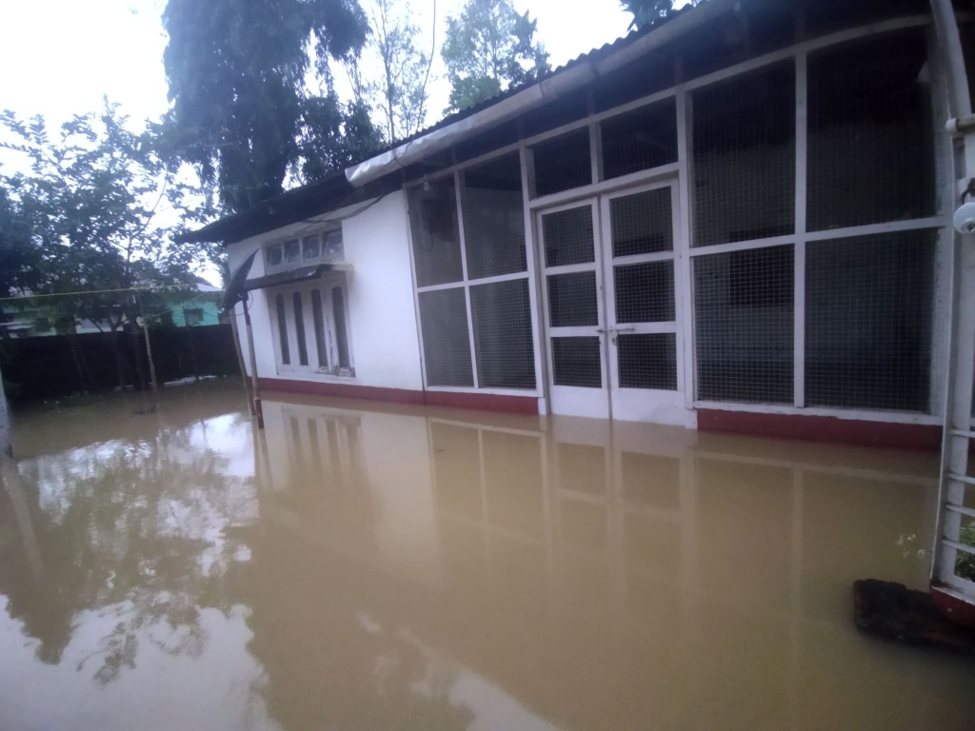
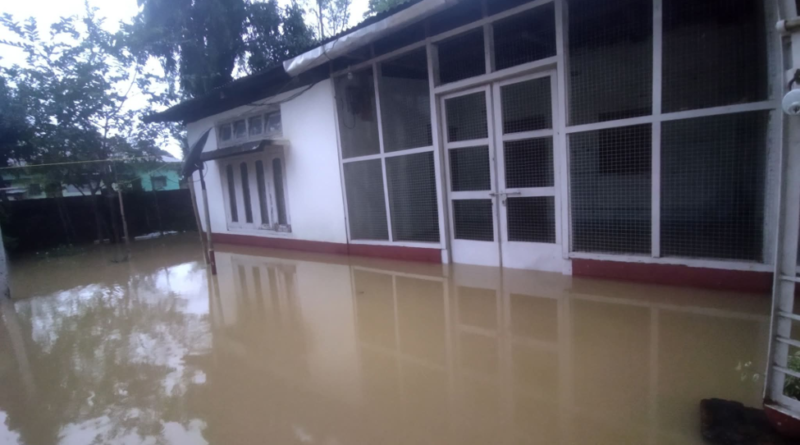
Every monsoon, the beauty of Upper Assam’s lush tea gardens and ancient heritage sites is overshadowed by a severe, recurring crisis: flooding. In recent days, the flood situation across Upper Assam—particularly in the historic district of Sivasagar and its neighboring sub-division Nazira—has taken a turn for the worse.
Continuous torrential rains in the region, coupled with intense runoffs from neighboring hill states like Nagaland, have pushed local rivers far past their breaking points. Thousands of residents, tea workers, and rural families are currently grappling with submerged homes, displaced livestock, and disrupted lives.
Here is a detailed look at what is happening on the ground in Sivasagar, Nazira, and Upper Assam, why these flash floods occur, and what can be done to build long-term resilience.
The Flood Situation: Sivasagar & Nazira Under Water
Upper Assam is fed by a vast network of rivers. While the mighty Brahmaputra gets most of the national media coverage, regional tributaries are often the direct drivers of localized devastation in Sivasagar district:
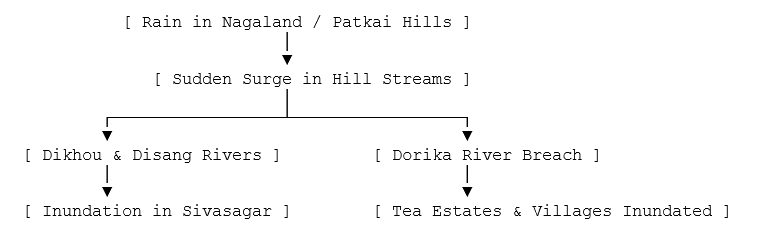
- Dikhou River: Flowing straight through Sivasagar town and surrounding villages, rising waters here frequently submerge key embankment roads and low-lying residential areas.
- Disang River & Dorika River: Heavy swells in the Disang and breach events along rivers like the Dorika regularly inundate farm fields, roads, and villages across Nazira and Amguri.
Devastation in the Tea Gardens of Nazira
The Nazira sub-division is world-renowned for its lush tea estates, but when heavy downpours strike, these economic lifelines suffer immensely. Recent surges have submerged tea workers’ residential quarters, estate hospitals, and processing units. With roads underwater, displaced families are often forced to seek shelter inside estate factories or higher administrative structures until waters recede.
Why Upper Assam Floods So Severely: Key Causes
Understanding why Sivasagar and Nazira face recurring inundation requires looking beyond simple heavy rainfall:
1. Cloudbursts and Downpours in Neighboring Hills
Upper Assam sits right beneath the Patkai hills and the border with Nagaland. Extreme rainfall and cloudbursts in the hills flow rapidly downward into rivers like the Dikhou, Disang, and Jhanji, creating sudden, unpredictable flash floods in the plains below.
2. Siltation and Reduced River Carrying Capacity
Decades of soil erosion from upstream deforestation have deposited massive amounts of silt on riverbeds across Upper Assam. Because the riverbeds are now higher, even moderate rainfall causes rivers to overflow their banks quickly.
3. Embankment Breaches & Aging Infrastructure
Many of the earthen embankments (ali) built along Assam’s rivers date back decades. When high-velocity currents strike, breaches frequently occur—flooding thousands of acres of standing paddy crop and homes in a matter of hours.
Impact on Local Communities & Heritage
The consequences of these floods ripple through every layer of society in Upper Assam:
| Area of Impact | Ground Reality |
| Agriculture | Thousands of hectares of Sali paddy (rice crop) and seasonal vegetables are submerged, ruining livelihoods. |
| Tea Industry | Submerged gardens halt plucking and processing, leading to immense economic losses for both estate owners and daily-wage workers. |
| Human Rights & Health | Contaminated drinking water sources raise the immediate risk of waterborne diseases like cholera, dysentery, and skin infections. |
| Historical Monuments | Sivasagar is the historic capital of the Ahom Kingdom. While ancient monuments like Rang Ghar and Talatal Ghar stand on elevated grounds, surrounding roads and visitor access often get cut off. |
“When the river breaks its banks, it isn’t just about losing property—it’s about losing months of hard work in the fields and having to rebuild from scratch every single year.”
Rescue, Relief, and Long-Term Solutions
During peak flood waves, agencies like the National Disaster Response Force (NDRF), State Disaster Response Force (SDRF), local district administrations, and community volunteers deploy country boats to evacuate stranded villagers and deliver dry rations.
However, temporary relief camps alone cannot solve a recurring disaster. Experts advocate for:
- Dredging and Riverbed Management: De-silt key tributaries like the Dikhou and Disang to restore natural water capacity.
- Modernized Embankments: Upgrade traditional mud embankments into reinforced Geo-textile structures.
- Cross-Border Weather Monitoring: Early warning systems coordinated between Assam, Nagaland, and central meteorological agencies to predict flash surges hours before they reach the plains.
How You Can Help Flood-Affected Families
If you want to support relief operations in Upper Assam, consider reaching out to verified relief channels:
- Assam State Disaster Management Authority (ASDMA): Track official updates and relief guidelines.
- Chief Minister’s Relief Fund (CMRF) Assam: Official channel for financial contributions toward state-wide rehabilitation.
- Local Non-Profits: Support ground teams providing clean drinking water, hygiene kits, and cattle fodder in Sivasagar and Nazira.
Frequently Asked Questions (FAQs)
Which rivers cause flooding in Sivasagar district?
The primary rivers causing floods in Sivasagar district are the Dikhou, Disang, Dorika, Jhanji, and Demow, along with the main channel of the Brahmaputra along the district’s northern border.
How do floods impact the tea estates in Nazira?
Floods submerge tea gardens, damage processing factories, cut off access roads, and displace garden workers, leading to massive production losses and health risks.
What is the main cause of flash floods in Upper Assam?
Flash floods in Upper Assam are primarily caused by sudden, heavy downpours and cloudbursts in the neighboring hills of Nagaland and Arunachal Pradesh, which rush down into the rivers of the plains.