
Climate Change and Rainwater Reservation in Sunderban Delta
By Dr Neha Boruah
Rainwater Harvesting in Sundarban: Understanding the Delta and Its Water Resources
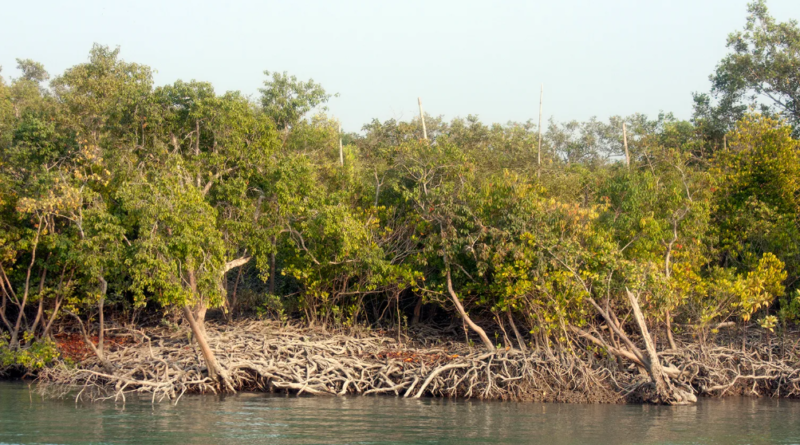
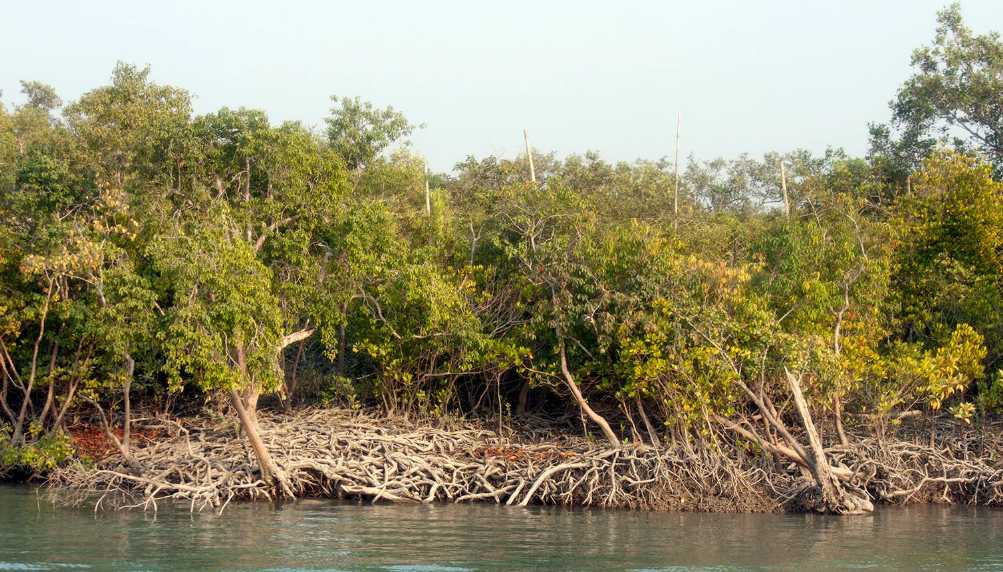
Mangroves are intertidal forested wetlands confined to the tropical regions. (Tomlinson,1986). Sunderban got its name from the Sundri tree, which dominates the whole area and the word ‘Ban’ means forest. Sunderban was sparsely populated and had dispersed settlements. ). The delta is divided into Bangladesh and India. Rice cultivation is done seasonally. During the colonial period Britishers release the plot of land on lease to landlords. Landowners engaged labourers in the Sunderban areas. Those labourers worked in the Sunderban areas. Those labourers were given the task of clearing the forest and starting settlements. From the map, it is seen that the mangrove forest extended to Kolkata, but over time its physiography changed. The Sunderban delta is the largest existing mangrove delta in the world, with an area of 80,000km2. The majority of the Sunderban is a dense and agricultural area. Mangroves are an important coastal defence that stands against extreme oceanic storms.
Need for Rainwater Reservation: Rain falling on the surface flows rapidly, leaving very little to recharge groundwater. Implementation measures that ensure rain falling over a region is fully possible through rainwater harvesting by recharging the ground aquifer with rainwater.
Implementation of Rainwater Reservation: A rainwater reservoir is an advanced technology that focuses on a sustainable environment and development. Rainwater reservoir implementation provides environmental and financial benefits. Rainwater can benefit from reduced runoff, recharge aquifers and provide clean water.
Water Demand: The water demand of the Sundarbans includes domestic drinking and agriculture. The requirement of water for crop cultivation is more. During July, water demand is higher.
Water Deficit: Surface water and groundwater cannot meet the demand of the people; water tanks are not deep enough to hold water. The water deficit is mostly seen in almost all areas of the Sunderban. Crop cultivation and production of vegetables and other crops need a lot of water for cropping.
Suggestions: The people of Sunderban mostly depend on groundwater to meet the demand of domestic and agricultural needs. The quality of water is not good. Therefore, to ensure freshwater, some methods can be used such as:
Rainwater Harvesting: Sunderban is situated in a tropical area and gets sufficient rainfall during the monsoon season. This ample amount of rainfall can be conserved to meet the demand for freshwater in Sunderban through rainwater harvesting. This water can be utilised for domestic purposes. If rainwater harvesting is done on a large scale, it helps to people to solve their day-to-day water problems.
Reconnection of Small Channels: Restoration of fresh water flowing through the streams, which is usually mixed with saline water and, lastly it cannot be used by humans. Small freshwater channels are being filled up with silt.
Re-filling of Groundwater Artificially: Rainwater can be easily recharged by using an aquifer to reduce salinity. In due course of time, this technique may help to reduce the salinity of the shallow aquifer, which is subsequently utilised for agriculture and domestic purposes (Gayan, 2009). Some of the initiatives have been taken by Sunderban Development Board.