
Kati Bihu 2026: Date, Significance, Rituals and Assamese Traditions
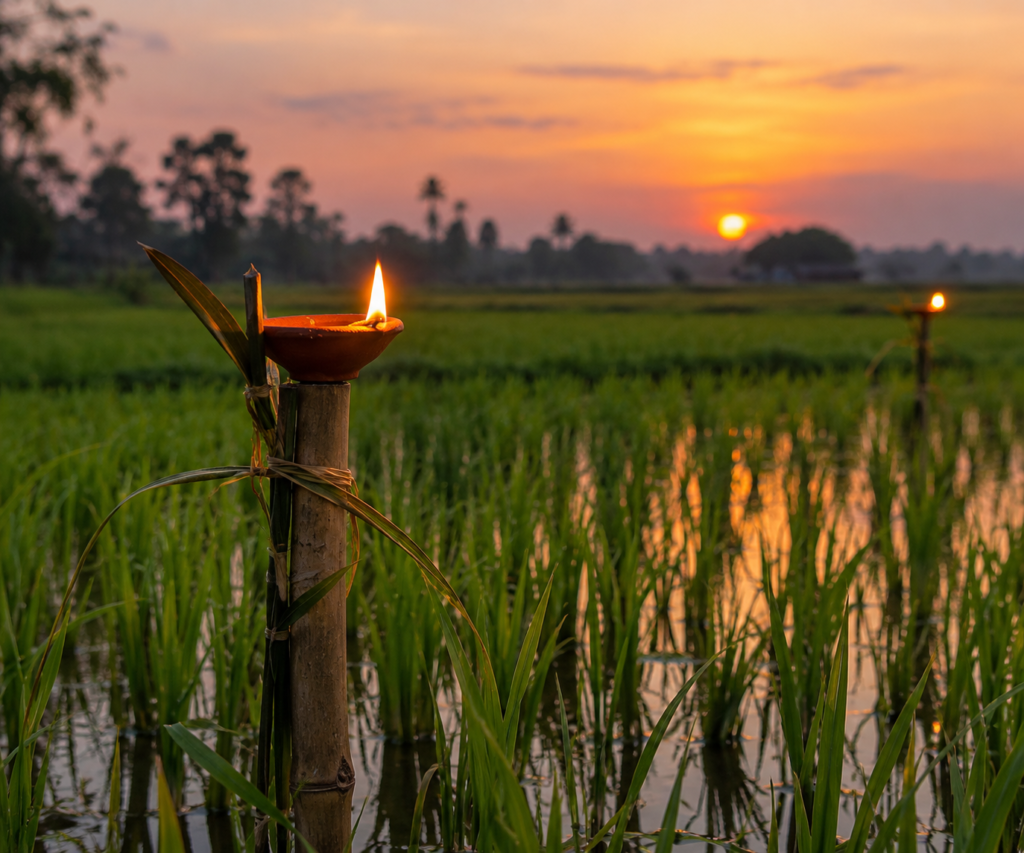
Assam is known for its rich cultural heritage, agricultural traditions and colourful festivals. Among its most important celebrations is Bihu, which reflects the close relationship between Assamese society, nature and farming. One of these three major festivals, Kati Bihu, is observed with simplicity, prayers and the lighting of traditional earthen lamps.
Kati Bihu 2026 was celebrated on Sunday, 18 October 2026, across Assam. Also known as Kongali Bihu, this festival represents hope, patience and prayers for a successful harvest during a period when many farming households have limited food supplies.
Unlike the lively celebrations of Bohag Bihu and the feasting associated with Magh Bihu, Kati Bihu is a quieter occasion that highlights the importance of agriculture and the preservation of Assamese traditions.
For more information, visit the official Assam Tourism website.
When Was Kati Bihu Celebrated in 2026?
Kati Bihu was observed on 18 October 2026. It falls during the Assamese month of Kati, generally around mid-October, when paddy crops are growing in the fields and farmers await the coming harvest.
This period is significant in the agricultural calendar. Although crops are developing, the previous harvest may have been largely consumed, and the next harvest is still some time away. This seasonal uncertainty explains why Kati Bihu is associated with simplicity, prayer and hope.
The festival’s date and cultural significance are also described by Assam Tourism.
Why Is Kati Bihu Called Kongali Bihu?
The word Kongali is associated with scarcity or a condition of limited resources. Kati Bihu is therefore often described as the Bihu of scarcity.
During this period, many farming households traditionally have relatively empty granaries. Farmers must protect their growing crops from pests, diseases, floods and other natural challenges while hoping for a good yield.
The festival expresses the concerns and aspirations of agricultural communities. It reminds people that farming requires patience, hard work and a close understanding of nature.
Although Kati Bihu is marked by material scarcity, its deeper message is one of hope, resilience and faith in the future.

Major Rituals and Traditions of Kati Bihu
1. Lighting Earthen Lamps or Saaki
One of the most recognisable traditions of Kati Bihu is lighting small earthen lamps, commonly called saaki.
Families light lamps in their courtyards and near the sacred Tulsi plant. Lamps may also be placed in agricultural fields as a prayer for healthy crops and a successful harvest.
The gentle glow of these lamps represents hope and positivity during a period of uncertainty.
2. Lighting Lamps Near the Tulsi Plant
The Tulsi plant holds religious and cultural significance in many Assamese Hindu households. During Kati Bihu, families traditionally light an earthen lamp near the Tulsi plant, often placed on a raised platform known as a Tulsi bheti.
People offer prayers for the well-being of their families, protection from difficulties and agricultural prosperity. This practice demonstrates how household traditions and spiritual beliefs are connected with everyday life in Assam.
3. Lighting Akash Banti in Paddy Fields
Another important tradition is lighting the Akash Banti, or sky lamp. Traditionally, a lamp is placed on a tall bamboo pole in or near a paddy field.
The practice is associated with prayers for crop protection and a good harvest. In some local traditions, these lights are also believed to guide ancestral spirits.
The sight of lamps illuminating fields during the evening creates a distinctive atmosphere in rural Assam.
4. Prayers for a Good Harvest
Kati Bihu is primarily a festival of prayer rather than large-scale celebration. Farmers and families pray for the healthy growth of paddy crops, protection from pests and natural calamities, and prosperity in the coming agricultural season.
These rituals reflect the uncertainty of agricultural life and the importance of hope for farming communities.
For further information on Assamese festivals, readers can consult the Department of Cultural Affairs, Government of Assam.
The Agricultural Significance of Kati Bihu
Agriculture has long played a central role in the economy and cultural life of Assam. Rice cultivation, in particular, has shaped traditional practices, seasonal celebrations and community relationships.
Kati Bihu occurs during an important stage in the paddy-growing cycle. Farmers have already invested considerable time and effort in cultivation, but the crops are not yet ready for harvest.
The festival reflects three important aspects of agricultural life:
- Crop protection: Prayers express hopes that crops will remain safe from pests, disease and natural disasters.
- Patience and resilience: Farmers must continue working despite uncertainty about the eventual harvest.
- Hope for prosperity: Traditional lamps and prayers symbolise the desire for a productive agricultural season.
Kati Bihu therefore offers insight into the relationship between cultural traditions and the agricultural environment of Assam.
Kati Bihu and the Three Bihus of Assam
Bihu is celebrated at three important stages of the traditional agricultural calendar. Each festival has its own character and significance.
| Festival | Approximate period | Main significance |
|---|---|---|
| Bohag Bihu or Rongali Bihu | Mid-April | Assamese New Year, spring and the beginning of a new agricultural cycle |
| Kati Bihu or Kongali Bihu | Mid-October | Prayer for crop protection and a good harvest |
| Magh Bihu or Bhogali Bihu | Mid-January | Harvest, food, community feasting and abundance |
While Bohag Bihu is associated with joy and renewal and Magh Bihu with harvest celebrations, Kati Bihu represents a quieter period of prayer and expectation.
Together, these festivals reflect the seasonal rhythms that have influenced Assamese life for generations.
Cultural Significance of Kati Bihu in Modern Assam
Despite changes in lifestyle, urbanisation and modern agricultural practices, Kati Bihu continues to hold cultural importance.
For people living in villages, the festival maintains a connection with farming, the land and seasonal traditions. For Assamese communities living in towns and cities, lighting lamps and observing familiar rituals can help preserve cultural identity and pass traditions to younger generations.
Kati Bihu also reminds people of the challenges faced by farmers. Crop failure, unpredictable weather, flooding and changing agricultural conditions can affect livelihoods. The festival provides an opportunity to reflect on the value of agricultural labour and the importance of supporting farming communities.
Its significance extends beyond religious observance: it represents the relationship between people, nature, food security and cultural memory.
How Is Kati Bihu Different from Bohag Bihu and Magh Bihu?
The three Bihu festivals differ in their timing, atmosphere and agricultural significance.
Bohag Bihu is celebrated with traditional music, dance, community gatherings and festive activities. It welcomes spring and marks the Assamese New Year.
Kati Bihu is more subdued. Its main features are lighting earthen lamps, offering prayers and hoping for the protection of growing crops.
Magh Bihu follows the harvest season and is associated with feasting, traditional foods and community celebrations.
These differences demonstrate how Bihu reflects the changing needs and experiences of agricultural communities throughout the year.
Conclusion
Kati Bihu 2026, observed on 18 October, highlighted the enduring connection between Assamese culture, agriculture and nature. Through the lighting of saaki, Tulsi worship, Akash Banti and prayers for a good harvest, the festival expressed the hopes of farming families during an important stage of the agricultural cycle.
Known as Kongali Bihu, it reminds people that cultural celebrations do not always depend on abundance or grand festivities. Sometimes, a small lamp can represent hope, resilience and the promise of a better tomorrow.
As Assam continues to change, Kati Bihu remains a meaningful expression of its agricultural heritage and cultural identity.
Frequently Asked Questions (FAQs)
1. When was Kati Bihu 2026 celebrated?
Kati Bihu was celebrated on Sunday, 18 October 2026.
2. What is another name for Kati Bihu?
Kati Bihu is also known as Kongali Bihu, a name associated with scarcity during the agricultural season.
3. Why is Kati Bihu celebrated?
It is observed to pray for a good harvest, protect growing crops and seek prosperity and well-being for families.
4. What are the main rituals of Kati Bihu?
Major traditions include lighting earthen lamps (saaki), lighting lamps near the Tulsi plant, placing Akash Banti in fields and offering prayers for healthy crops.
5. Why is Kati Bihu important to Assamese culture?
Kati Bihu reflects the relationship between Assamese cultural identity, agricultural life, nature and traditional beliefs.
6. What is the difference between Kati Bihu and Magh Bihu?
Kati Bihu is associated with prayers during the growing season, whereas Magh Bihu celebrates the harvest with traditional food and community feasting.
Related reading: Bihu Festival and Its Cultural Significance — Assam Tourism.