
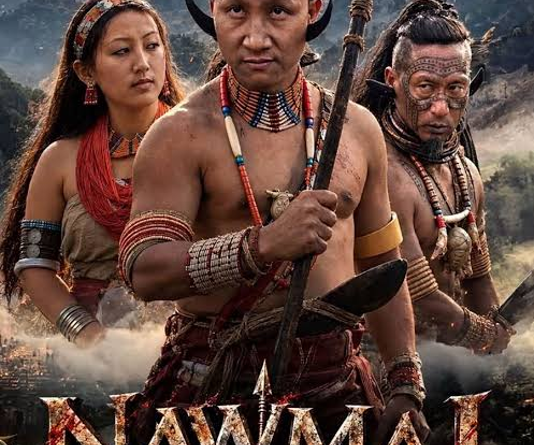
Nawmai: The Wancho Warrior (2026) – A Culturally Significant, Technically Flawed Epic
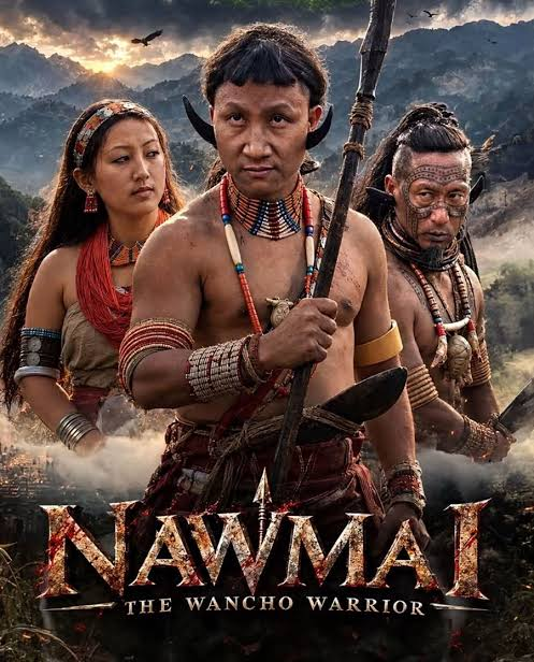
Northeast Indian cinema is undergoing a dramatic renaissance, stepping into the mainstream spotlight with indigenous, scale-driven epics. Leading this cultural movement is Nawmai: The Wancho Warrior (2026), an ambitious traditional war-drama set in the rugged Patkai Hills of Arunachal Pradesh. Directed by Dr. Jovi Wangjin Wangsa—a medical doctor turned self-taught filmmaker—the movie brings the heritage, tribal conflicts, and traditions of the Wancho Naga community to the big screen.
The Release & Distribution Framework
After years of anticipation, Nawmai: The Wancho Warrior hit theaters on September 18, 2026, across Northeast India and selected national cities. Running at a tight 1 hour and 53 minutes, the film is primarily presented in an accessible Hindi format infused with native Wancho contextual elements, bridging the gap between hyper-local storytelling and mainstream Indian audiences.
What is Nawmai: The Wancho Warrior About?
Set in the Longding district of Arunachal Pradesh, Nawmai weaves a story that blends historical tribal settings with action, high-stakes drama, and romance. When a territorial land dispute erupts between two neighbouring villages, inherited rivalries rapidly escalate into open warfare.
Caught in the middle is Prince Wangthak, a Wancho warrior torn between his loyalty to his clan and his love for Princess Sencha. The conflict deepens when Sencha’s uncle, the tyrannical warlord Liwang, usurps her throne and captures her, forcing the rival villages toward a devastating confrontation. Beyond the warfare, the film showcases traditional Wancho culture, including headhunting lore, ancestral wood-carving art, warrior tattoos, and hereditary chieftainship customs.
Movie Review: High on Cultural Intent, Low on Technical & Emotional Impact
Rating: ★★½☆☆ (2.5/5)
Nawmai: The Wancho Warrior earns immense respect as an ambitious, noble effort to bring a rare indigenous culture into mainstream theaters with limited resources. However, when evaluated purely as a cinematic experience, the film struggles under the weight of poor technical alignment and a lack of core emotional engagement.
Narrative, Pacing & Emotional Disconnect
While the premise promises high-stakes warfare and personal sacrifice, the execution falls short of making the audience truly feel for its characters. The romantic subplots feel formulaic and cliché, missing the depth needed to anchor the central conflict. Ironically, the film’s strongest element—its detailed preservation of Wancho culture, rituals, and heritage—often feels slightly misfitted to a dramatic feature format. Had the project been approached as a structured, high-budget documentary, its cultural insights might have landed with far greater impact.
Technical & Creative Execution
- Cinematography: The visual presentation suffers from noticeable inconsistency. While certain exterior shots of the Patkai landscape are impressive, other sequences feel amateurish, giving the jarring impression that multiple cinematographers with conflicting styles shot different portions of the film without proper visual alignment.
- Dubbing & Audio: The Hindi dubbing is poorly executed, pulling viewers out of the immersion with unnatural delivery that disconnects from the actors’ screen presence. Fortunately, the sound design and background score fare much better, providing a solid atmospheric backdrop to the scenes.
- Performances: The acting across the board remains average. While the cast clearly commits to the physical demands of their roles, the performances rarely reach the emotional nuance required for a compelling period drama.
Final Verdict
Nawmai is a movie you appreciate for existing rather than one that fully succeeds on screen. It stands as a brave, pioneer project that successfully distributed Wancho culture to audiences across different states. While its technical flaws and narrative gaps hold it back, it lays a vital stepping stone for director Jovi Wangjin Wangsa and regional creators to build upon with stronger technical refinement and sharper creative execution in future projects.
Why You Should Watch Nawmai
- A Story of Unwavering Perseverance: Director Jovi Wangjin Wangsa conceptualized the narrative as early as 1998–99 and worked abroad in Dubai as a medical analyst for years to independently self-fund his directorial vision.
- Authentic Indigenous Representation: Rather than offering an external perspective, Nawmai is crafted by native creators directly from the region, capturing authentic attire, customs, and tribal dialects.
- Visceral Outdoor Filmmaking: Shot almost entirely outdoors in the Patkai landscape, the production highlights raw combat choreography grounded in traditional warrior styles.
- Resonant Cultural Core: The film grounds its large-scale conflict in a deeply personal, star-crossed romance that pays homage to regional tribal folklore.
Shaping the Future of Northeast Cinema
For decades, cinema from Northeast India has faced distribution bottlenecks, low budgets, and limited representation in nationwide multiplexes. Nawmai: The Wancho Warrior marks a major turning point in how stories from the region are produced and consumed.
By packaging hyper-local Wancho histories inside an accessible commercial action-drama framework, the film proves that tribal narratives carry universal appeal. It sets a strong production benchmark for independent filmmakers across Arunachal Pradesh and Nagaland who wish to attempt period pieces.
Releasing in Hindi alongside native circuits opens doors for future pan-Indian distribution of Northeast titles. Most importantly, it utilizes mainstream cinema as a living digital archive to preserve endangered oral histories, tribal traditions, and visual heritage. Check your local theater listings or platforms like District Entertainment and the Times of India Entertainment Desk for current showtimes across Northeast India and national multiplexes. Nawmai: The Wancho Warrior is a historic milestone in regional Indian cinema that deserves to be experienced on the big screen.