
Parliament Showdown Over Anti-Paper Leak Bill 2026: A Timeline of What Actually Happened
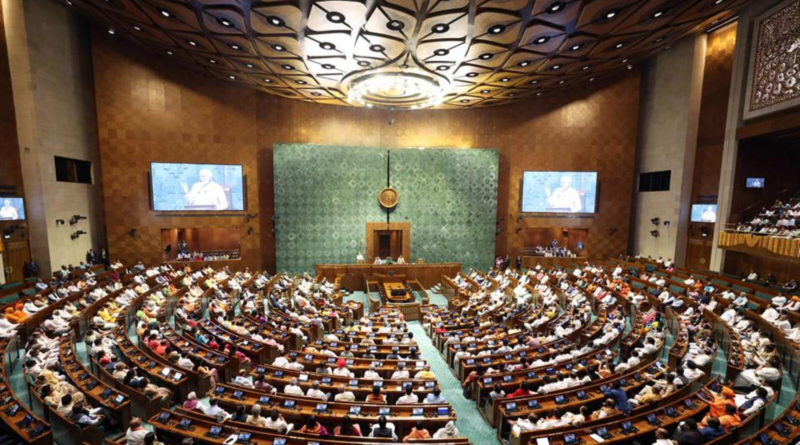
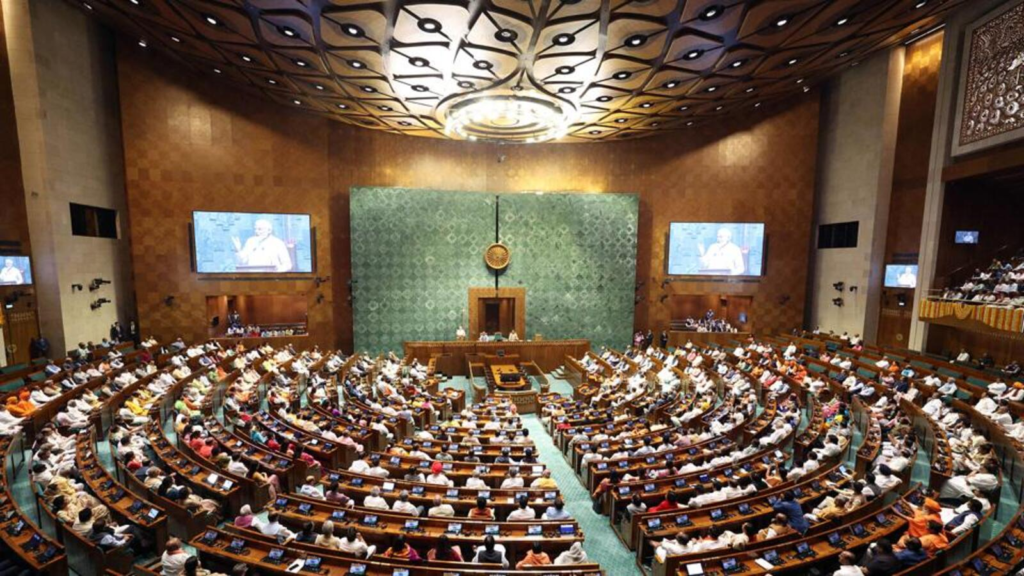
The Monsoon Session of Parliament witnessed a dramatic political standoff as the government attempted to introduce the Public Examinations (Prevention of Unfair Means) Amendment Bill, 2026, commonly known as the Anti-Paper Leak Bill. Instead of a detailed debate on the proposed reforms, proceedings were repeatedly disrupted, leading to adjournments in both the Lok Sabha and Rajya Sabha.
Timeline of Events
Before Parliament Convened
Ahead of the session, Parliamentary Affairs Minister Kiren Rijiju appealed to all Members of Parliament to participate in a constructive discussion on the Anti-Paper Leak Bill. He stated that the legislation was intended to protect students and strengthen the integrity of public examinations.
Bill Introduced in Lok Sabha
Union Minister Dr. Jitendra Singh introduced the Public Examinations (Prevention of Unfair Means) Amendment Bill, 2026.
While presenting the Bill, he explained that the amendments would:
- Create Special Task Forces to investigate paper leak cases.
- Mandate investigations to be completed within a fixed time frame.
- Establish Special Fast-Track Courts for speedy trials.
- Introduce stricter punishments to deter organised examination fraud.
Opposition Protests Begin
As soon as legislative business commenced, Opposition MPs raised slogans and demanded that Union Home Minister Amit Shah make a statement regarding the alleged police action against students protesting the paper leak issue.
The Opposition argued that action against student protesters had become inseparable from the examination controversy and deserved immediate discussion before proceeding with the Bill.
Rijiju’s Response
Responding to the disruptions, Kiren Rijiju urged the Opposition to debate the legislation rather than stall Parliament.
He argued that:
Parliament had allocated several hours for discussion, and if the Opposition genuinely cared about students, it should participate in debating the Bill instead of preventing it from being discussed.
He also criticised repeated disruptions in both Houses, saying that an important reform affecting millions of students was being delayed.
Proceedings Adjourned
Continuous sloganeering prevented normal proceedings.
Both the Lok Sabha and Rajya Sabha were adjourned multiple times without any substantial debate on the Anti-Paper Leak Bill.
Government’s Position
The government maintained that Parliament should focus on discussing legislation designed to curb examination malpractice.
According to Union ministers:
- The Bill was brought specifically to address paper leaks.
- Students expected Parliament to debate solutions.
- Political disruptions delayed reforms aimed at protecting future examinations.
Opposition’s Position
The Opposition maintained that alleged police action against protesting students could not be ignored and insisted that the government first respond to those concerns before legislative business continued.
Because of this disagreement over priorities, the debate on the Bill did not proceed as scheduled.
What Happened Next?
With the Bill left undiscussed on Monday due to repeated adjournments, the government scheduled it for consideration again on Tuesday and expressed its intention to proceed with the legislation.
Conclusion
The day ended without a substantive debate on the Anti-Paper Leak Bill. The government argued that Parliament’s priority should have been discussing stronger anti-paper leak measures, while the Opposition insisted that alleged police action against student protesters required immediate attention. The disagreement over parliamentary priorities resulted in repeated disruptions and delayed consideration of the proposed reforms.