
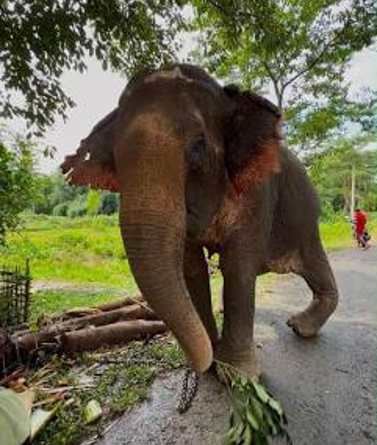
Rescuing Joymoti: The Historic Airlift of a 53-Year-Old Asian Elephant
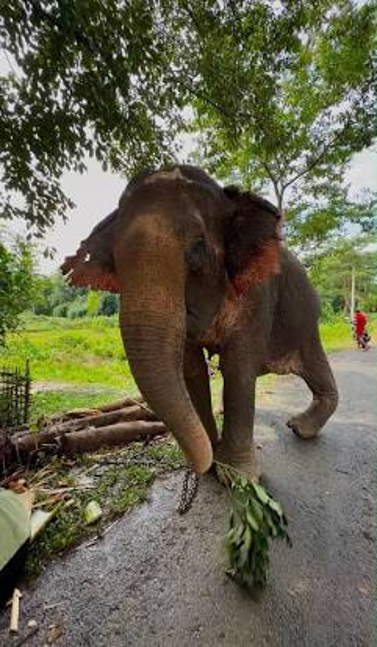
From Tragedy to Hope: The Incredible Survival and Airlift of Joymoti
Seasonal extreme weather events present severe risks to wildlife across Northeast India. When swelling monsoon floods swept through Nagaland and Upper Assam, the story of Joymoti, a 53-year-old female Asian elephant, captured national attention and mobilized unprecedented emergency response efforts.
Swept away by high-velocity floodwaters in Nagaland and carried nearly 55 kilometers down the Dikhow River into Assam, Joymoti endured acute physical trauma. Thanks to prompt coordination between local villagers, state forest officials, and specialized veterinary organizations, her rescue marks a historic milestone in Indian animal welfare.
The Rescue Mission: Surviving the Northeast Floods
After being swept away by the floodwaters, local communities collaborated with state government rescue units to safely pull Joymoti ashore. While she survived the immediate drowning hazard, her physical condition was highly critical.
Initial veterinary assessments detailed several extensive injuries:
- Severe lacerations across her forehead, right ear, abdomen, inner thigh, and tail region.
- A deep, maggot-infested wound around her external genital area requiring urgent intervention.
- Major trauma to her right eye, resulting in total vision loss and persistent tearing.
- Pre-existing lameness in her left hind leg from an old logging-related fracture, which severely restricted her mobility.
Local veterinary authorities rendered immediate first aid, including wound dressing, pain management, and nutritional supplements. However, given her advancing age, mobility challenges, and multi-system trauma, experts determined she required specialized tertiary hospital facilities.
A Historic Medical Airlift to Vantara
Transporting a heavy, injured elephant thousands of kilometers by road would have inflicted dangerous physical stress. To prioritize her health and safety, authorities arranged a first-of-its-kind medical airlift in India.
Joymoti was flown directly to Vantara, a specialized wildlife healthcare and conservation facility in Jamnagar, Gujarat. This operation represents the first time an elephant in India has been transported by air specifically for emergency veterinary hospital care.
At Vantara, a multidisciplinary veterinary team is administering intensive surgical wound care, physical therapy for her leg, and targeted treatment for her damaged eye. Official statements clarify that her transport is a temporary medical transfer aimed at saving her life rather than a permanent relocation.
Key Lessons for Asian Elephant Conservation
Joymoti’s case highlights broader systemic needs within Asian elephant conservation. Historically, captive and wild elephants affected by natural disasters or human-wildlife conflict faced severe delays in reaching specialized care due to long transit times.
To address this gap, conservation stakeholders have proposed setting up species-specific wildlife veterinary care hubs directly within Assam. Operating under the Assam Forest Department, these regional centers will allow injured animals to receive advanced emergency care locally without requiring long-distance transportation.
Looking Ahead
Joymoti remains under constant, specialized veterinary surveillance as her rehabilitation proceeds. Her survival emphasizes both the vulnerability of wildlife to sudden flood disasters and the importance of rapid emergency response.
To learn more about national wildlife conservation policies and emergency response frameworks, visit the official portal of the Ministry of Environment, Forest and Climate Change.