
The Eco-Sensitive zone of Kaziranga could sunk to 1Km
By Chandrika Moran
During a press briefing in Guwahati (August 12, 2026), Assam Chief Minister Himanta Biswa Sarma suggests cutting the Eco-Sensitive Zone surrounding Kaziranga National Park and Tiger Reserve from the default 10 km to 1 km. Previously, 10 km of protection was the default, but this is not the final zone ESZ. It is used because the site-specific ESZ notification has not yet been finalised.

What is the Assam Government proposing, and why?
The Assam government wants the central government to approve the reduction of the Eco-Sensitive Zone (ESZ) surrounding Kaziranga from the standard 10 kilometers to one kilometre. A 35 km elevated corridor along Highway 37 from Jakhlanbandha to Bokakhat was also proposed to reduce wildlife-related traffic accidents during the annual monsoon floods. Sarma claims that the proposal is necessary to permit urban development in the town’s surrounding areas, including Jakhalabandha, Kaliabor, and Bokakhat. Within the next two months, a proposal will be prepared and sent to the central government. The previous 10 km zone will be the default until then. Citing the Supreme Court’s June 2022 ruling that eco-sensitive zones surrounding protected areas should typically have an ESZ extending at least 1km from their protected area, the state may limit the ESZ to 1km after completing the process.
What is concerning about the proposal?
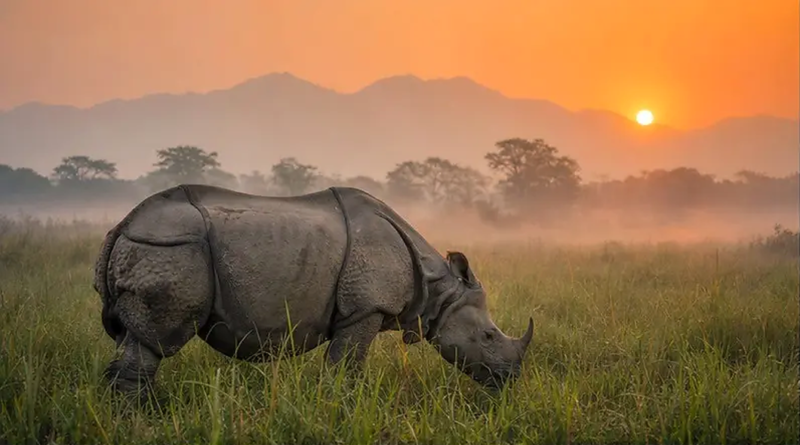
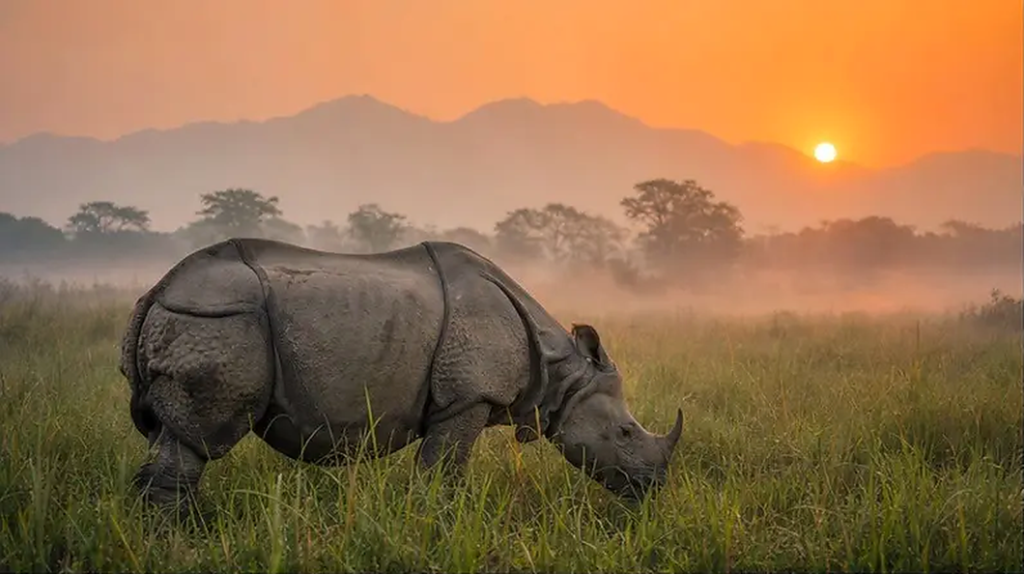
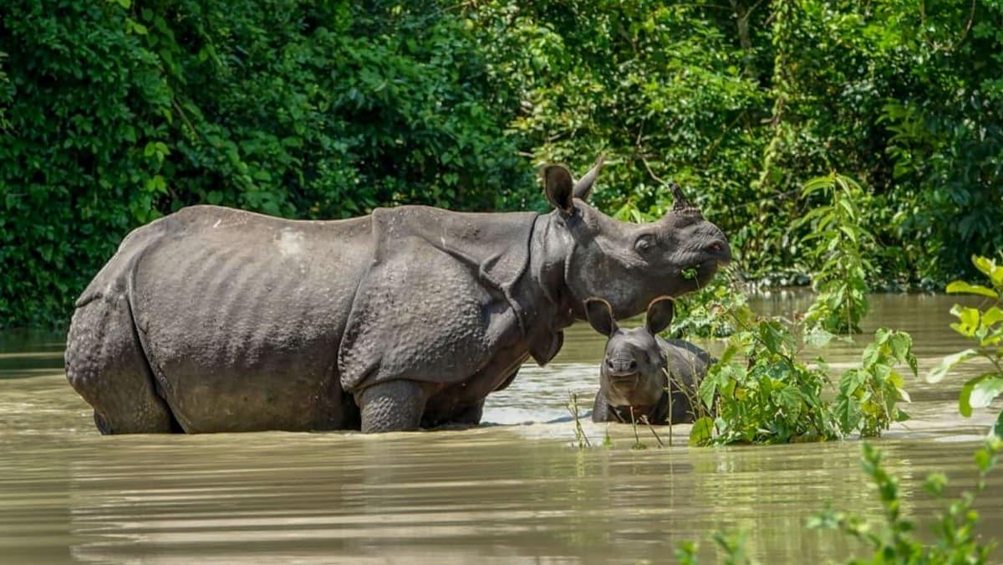
Kaziranga National Park, a UNESCO World Heritage Site, is known for its large one-horned rhinos and is home to thousands of mammals and more than 500 bird species. It’s part of the natural ecological annual flood of the mighty Brahmaputra River. During this chaotic situation, Kaziranga’s wildlife migrates to higher ground in search of food and shelter. Wetlands support waterbirds, while grasslands provide food and shelter for wild animals. The news has led wildlife activists to speculate about what might occur ecologically after the proposal. The buffer zone’s reduction will jeopardise important animal breeding grounds and migration routes. Given the construction and other activities in the area, they are likely to be interested in any future reductions in the concerned area.
KEY HIGHLIGHTS
- Floods: Seasonal flooding is both a challenge and an essential part of Kaziranga’s ecosystem.
- Wildlife: The park is globally renowned for its one-horned rhinoceros and rich biodiversity.
- Animal Accidents: During floods, animals often move toward higher ground, increasing their interaction with roads and surrounding areas.
- 10-km Provision: The debate over restrictions and wildlife movement along the NH-37 corridor remains closely connected with animal safety and conservation.
- Conservation Challenge: Protecting wildlife requires balancing conservation, human mobility and development.
- The bigger question: How can Assam protect Kaziranga’s wildlife while ensuring safe and sustainable movement for people?
No we don’t need this types of development