What the Bürgenstock Deal Means for Your Wallet: How the US-Iran MOU Could Lower Gas Prices and Everyday Inflation
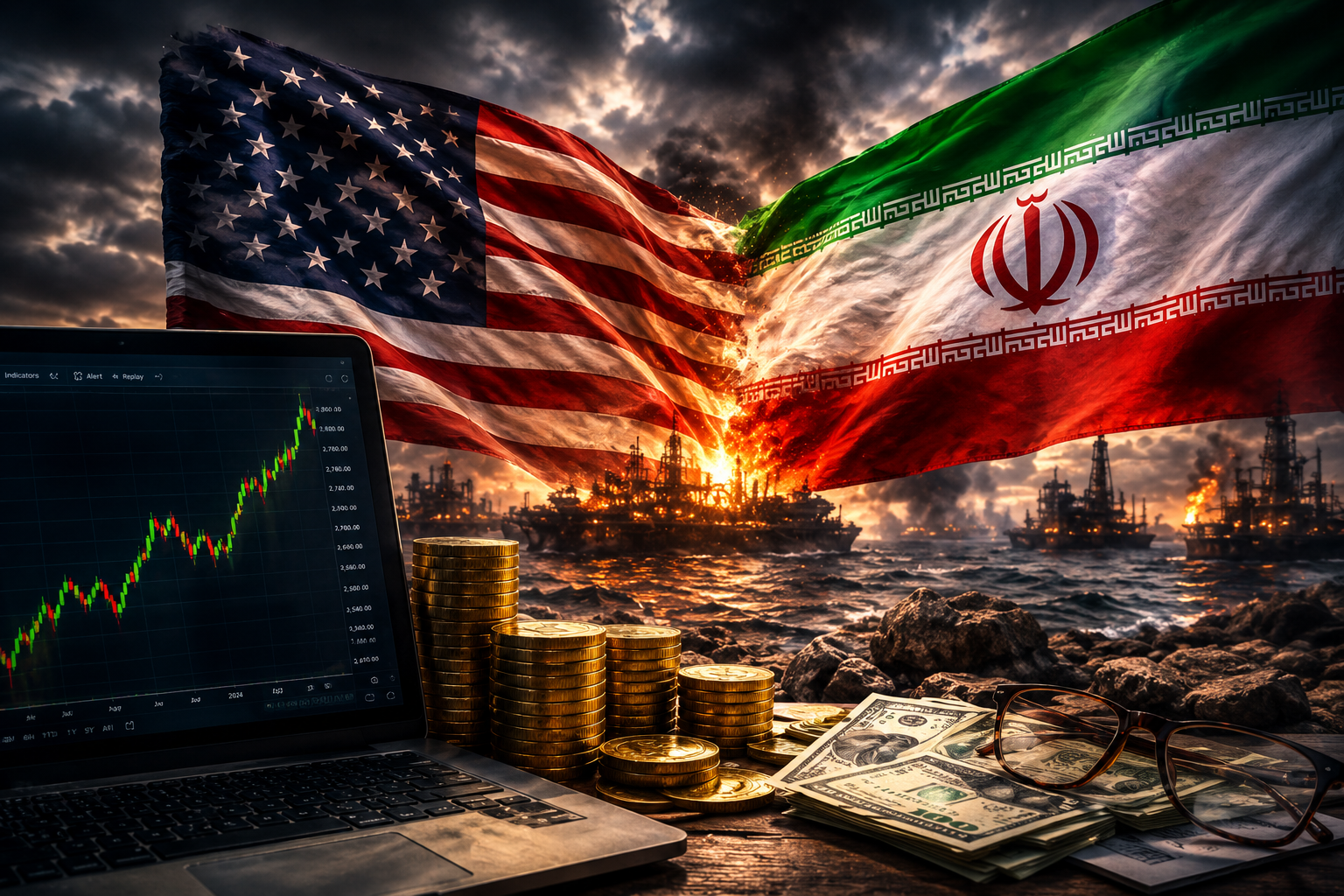
Geopolitical headlines usually feel distant, but the historic breakthrough achieved at Switzerland’s Bürgenstock Resort this week is about to hit close to home.
Following the conclusion of the Lake Lucerne Summit, the United States and Iran have established a formal 60-day roadmap under the Islamabad Memorandum of Understanding (MOU). While diplomats are focused on maritime safety and nuclear monitoring, the rest of the world is looking at something much more tangible: the relief this deal brings to the global consumer wallet.
If you have been struggling with sticky inflation, expensive groceries, and volatile prices at the pump, here is exactly how the Bürgenstock deal is poised to lower your cost of living.
1. Why Gas Prices are Heading Downward
The most immediate relief consumers will feel is at the gas pump. To understand why, you have to look at the Strait of Hormuz—a critical maritime chokepoint through which 20% of the world’s petroleum transits. Recent regional friction and naval blockades had driven up shipping insurance premiums and artificially inflated oil prices.
As part of the 14-point MOU, a direct communication line has been established to ensure the safe, uninterrupted, and toll-free passage of commercial vessels through the Strait.
The 60-Day Oil Waiver Effect
More importantly, the US Treasury has issued a temporary 60-day sanctions waiver on Iranian crude oil and petroleum products.
Increased Supply: This immediately unlocks millions of barrels of oil, allowing major global buyers to clear transactions legally.
- Market Rebalancing: Global oil futures plummeted almost immediately following the announcement, unseating the steep “geopolitical risk premium” that oil traders had baked into wholesale prices.
For the average driver, lower wholesale crude prices inevitably trickle down to lower retail fuel prices within the coming weeks.
2. The Supply Chain Impact: Lowering Everyday Inflation
Fuel prices don’t just dictate what it costs to fill up your car; they dictate what it costs to move everything—from the fresh produce at your local grocery store to the packages delivered to your front door.
When shipping lines can navigate the Middle East safely without paying astronomical war-risk insurance premiums, shipping conglomerates pass those savings down the supply chain.
[Safer Shipping Channels]➔[Lower Insurance Premiums]➔[Reduced Freight Costs]➔[Lower Retail Prices for Consumers]
3. The Agricultural Connection (Why Groceries Could Soften)
A unique, often overlooked clause in the 2026 Islamabad MOU directly impacts the food supply chain. Part of the agreement involves the systematic unfreezing of restricted Iranian assets held in Qatari bank accounts.
Under the strict terms of the deal, these billions of dollars are explicitly earmarked for humanitarian and agricultural imports. Iran is utilizing a massive portion of these funds to purchase agricultural commodities, notably soybeans and grain, heavily supplied by American farmers.
This parallel boost to agricultural trade stabilizes global grain markets, creating a secondary cooling effect on global food inflation indices.
Your Wallet: Pre- vs. Post-Bürgenstock Outlook
| Consumer Metric | The Pre-Deal Reality | The Post-Bürgenstock Projection |
| Retail Gas Prices | Volatile, driven by shipping blockades. | Gradual decline as global oil supply stabilizes. |
| Shipping & Delivery Fees | Elevated due to carrier war-risk surcharges. | Normalization as maritime transit risks drop. |
| Grocery Costs | Sticky inflation fueled by high agricultural transport costs. | Potential softening due to stabilized energy and grain corridors. |
| Overall Interest Rates | Central banks are forced to keep rates high to fight energy shocks. | Room to ease if energy-driven CPI downward trends hold. |
The Catch: It is a 60-Day Window
While the economic relief is real, consumers should keep an eye on the clock. The current terms operate entirely within a 60-day framework designed to let technical working groups negotiate a permanent treaty.
Regional frictions remain highly complex, and public warnings exchanged between leadership in Washington and Tehran prove that this economic relief is sitting on a delicate diplomatic wire. However, for a global public weary of relentless price hikes, the Bürgenstock Breakthrough provides the most definitive blueprint for lower everyday costs seen this year.
#US-Iran_Peace_Talks
#Gas_Prices #Everyday_Inflation #Inflation_Forecasts #Strait_of_Hormuz #US-Iran_MOU #Lake_Lucerne_Summit #Consumer_Wallet