
Identity, Land and Illegal Migration: The Garo Movement
By Dr. Neha Boruah
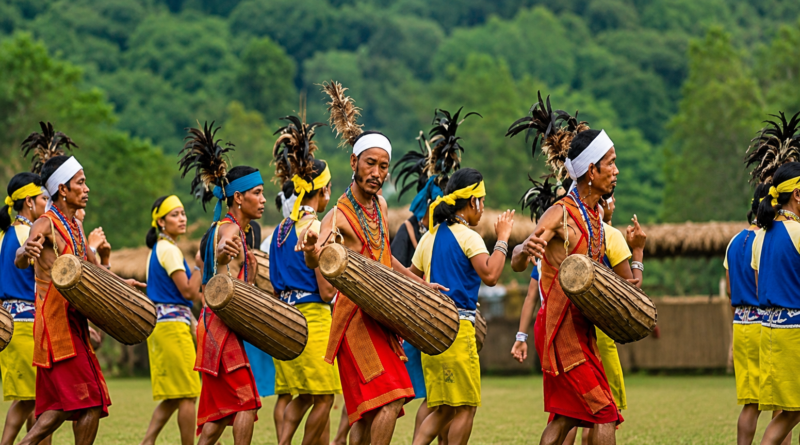
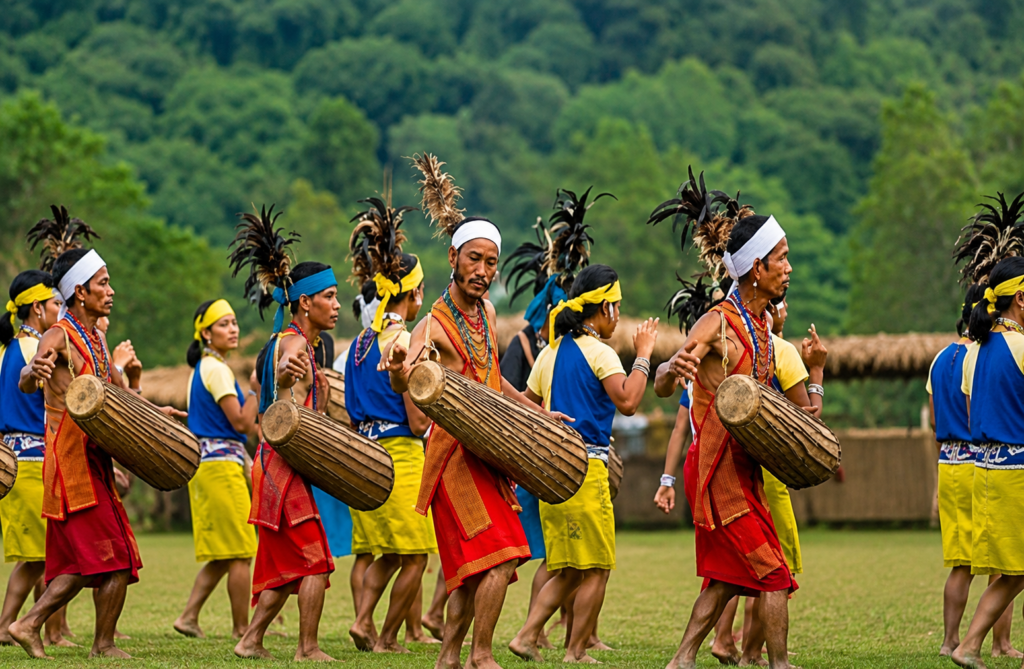
The history of North-East India is marked by a series of regional and ethnic movements that reflect the deep-rooted aspirations of its indigenous communities. Among these, the Garo Movement stands out as a significant struggle for cultural identity, land rights, and political autonomy. The Garos are the inhabitants of North East India, particularly concentrated in the Garo Hills districts of Meghalaya.
The Garo Struggle for Land and Autonomy
The movement emerged as a response to multiple forms of oppression and injustice faced by the Garo people. One of the primary reasons was economic exploitation. The introduction of the zamindari system allowed non-tribal landlords to control Garo lands, stripping the indigenous population of their traditional rights.
Anti-Zamindari Protests (1940s-1950s): The Garo Hills region witnessed strong opposition against exploitative zamindari (landlord) systems, where peasants were forced to pay excessive and often illegal taxes. These protests laid the foundation for a larger movement demanding land reforms and the abolition of oppressive feudal practices, highlighting the exploitation faced by tribal peasants under the zamindari system.
Tura Rally (1954): The Garo tribal movement was the “Tura Rally of 1954”, where thousands of tribal peasants gathered to demand land reforms and self-rule. The government acknowledged their demands and promised reforms; actual implementation was delayed, leading to further disillusionment among the tribal population. This rally strengthened the resolve for a separate tribal state and became a crucial milestone in the struggle for Meghalaya’s statehood.
Role in Statehood Movement (1969-1972): The movement gained momentum as Khasi and Jaintia leaders also joined forces, demanding autonomy from Assam. The movement gained momentum as Khasi and Jaintia leaders also joined forces, demanding autonomy from Assam.
Illegal Migration: The issue of illegal migration from Bangladesh into the Garo Hills region of Meghalaya has been a long-standing political and security concern, as the Garo Hills share a long international border with Bangladesh. Mostly, areas are hilly, forested, and difficult to monitor, making illegal crossings more challenging to prevent.
Recent incidents
In July 2025, the BSF apprehended 26 Bangladeshi nationals in West Garo Hills who were allegedly attempting to enter India without valid documents. Four Indian facilitators were also arrested. In June 2026, Meghalaya Police detained five Bangladeshi nationals in West Garo Hills during a vehicle check after they failed to produce valid documents
Conclusion
The issue of illegal migration in the Garo Hills is a complex challenge with social, economic, environmental, and security implications. While migration has contributed to the local workforce in some sectors, unchecked and undocumented migration has also created concerns over demographic changes, pressure on natural resources, land ownership, and the preservation of the cultural identity of indigenous communities. Addressing this issue requires a balanced approach that combines effective border management, proper implementation of laws, accurate identification of undocumented migrants, and protection of the rights and interests of local people. Promoting sustainable development, creating livelihood opportunities, and strengthening cooperation between the central and state governments are essential for maintaining peace and stability. A comprehensive and inclusive policy can help ensure both national security and the socio-economic well-being of the Garo Hills region.