
Beyond Borders: Watchlist of Northeast Indian Films Winning Global Acclaim
For decades, the cinematic landscape of Northeast India remained one of global cinema’s best-kept secrets. Today, that narrative has shifted dramatically. Driven by raw storytelling, hyperlocal realism, and uncompromising authenticity, filmmakers from the region are capturing top honors at major film festivals like Berlin, Toronto, Moscow, and the BAFTAs. Moving away from traditional tropes, these indie movies explore the nuanced tensions of identity, family, tradition, and home.
If you are looking to expand your film radar beyond mainstream releases, here is an essential watchlist of Northeast Indian films gaining major international recognition and where you can watch them.
1. Boong (Manipur)
- Director: Lakshmipriya Devi
- Key Recognition: Winner of Best Children’s & Family Film at the 79th BAFTA Awards
- Where to Watch: MUBI & Plex
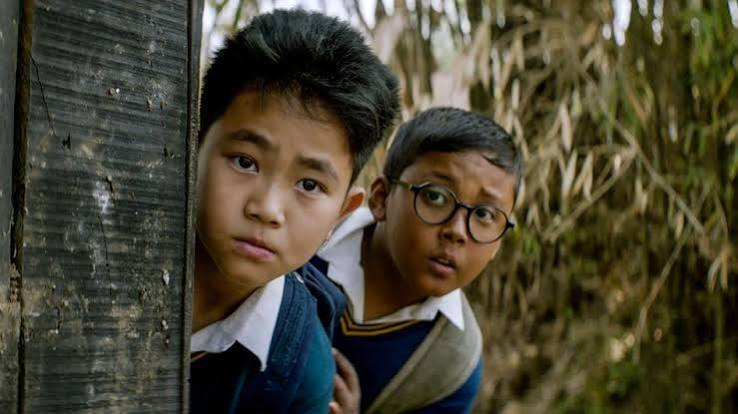
set against the delicate socio-political backdrop of Manipur, Boong tells the heartwarming tale of a young boy who embarks on a quest across the Indo-Myanmar border to find his missing father and bring a gift back to his mother. The film balances innocence with gritty ground realities. Following its landmark victory at the
BAFTA Awards, Boong stands out as a historic triumph for Manipuri storytelling and is available for streaming on art-house platforms like MUBI and select digital video-on-demand channels.
2. Angh (Nagaland)
Where to Watch: MUBI & Festival Streams
Director: Theja Rio
Key Recognition: Winner of the Platform Prize at the Toronto International Film Festival
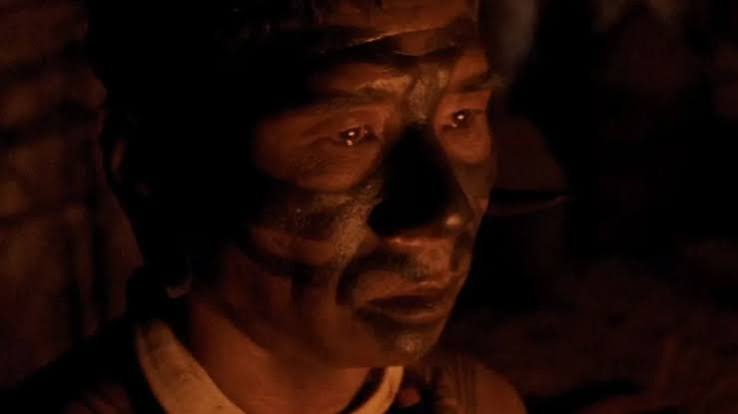
Angh offers a rare, haunting look into Nagaland’s past. Set in 1963, the story follows a village chief—the last of the village’s traditional Konyak warriors—as he struggles to retain his identity, faith, and customs amidst rapid Christianization. Captured on 16mm film with quiet reverence, the feature took top honors at the
Toronto International Film Festival, establishing Nagaland’s burgeoning voice on the global map. It frequently screens during curated festival showcase windows on MUBI and regional cultural film archives.
3. Not a Hero (Assam)
- Director: Rima Das
- Key Recognition: Crystal Bear (Special Mention) at the Berlin International Film Festival
- Where to Watch: MUBI, Netflix & SonyLIV
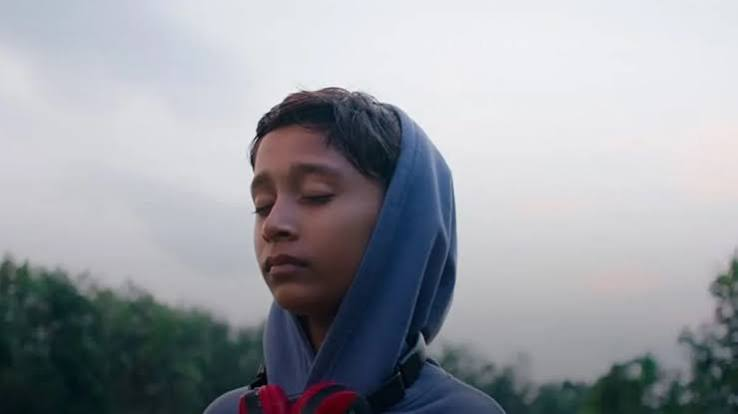
Renowned director Rima Das (Village Rockstars) returns with another poignant coming-of-age narrative.
Not a Hero explores a young boy’s navigation of empathy, peer dynamics, and digital technology after moving back to rural Assam. Following its acclaim at the Berlin International Film Festival (Berlinale), the film reinforces Das’s signature style: minimalist direction, natural lighting, and non-professional local casts. Her works regularly rotate across platforms such as Netflix, SonyLIV, and MUBI.
4. The Elysian Field / Ha Lyngkha Bneng (Meghalaya)
- Director: Pradip Kurbah
- Key Recognition: Best Film & Best Director at the Moscow International Film Festival
- Where to Watch: Reframe, Mootiki & MUBI
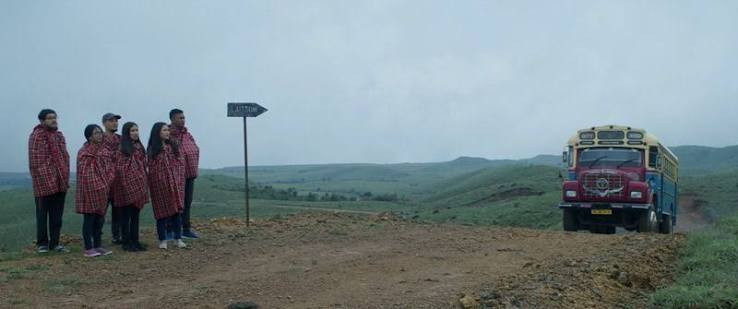
Set in a speculative 2047, Khasi director Pradip Kurbah’s The Elysian Field takes us to Laitduh—a remote Meghalaya village that migration has hollowed out to just six remaining residents. Rather than despairing, the aging inhabitants bond over digging their own graves, tinkering with dead generators, and sharing quiet moments of laughter. Honored with top prizes at the Moscow International Film Festival, the movie is a soulful meditative exercise on community, aging, and roots, accessible via dedicated Northeast regional platforms like Reframe and Mootiki before rolling out to MUBI.
5. Shape of Momo (Sikkim)
- Director: Tribeny Rai
- Key Recognition: Best Film Accolades at the Busan International Film Festival
- Where to Watch: MUBI (Upcoming) & YouTube (Selected Shorts)
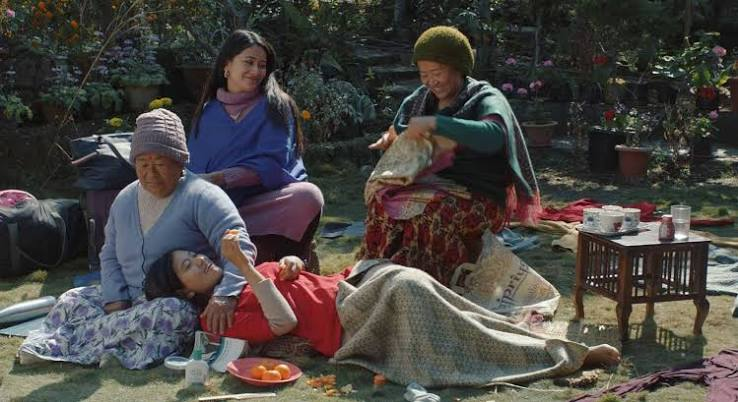
Tribeny Rai’s Shape of Momo centers on Bishnu, an outspoken young woman who returns to her ancestral Sikkim village and revolts against ingrained patriarchal norms—including the cultural mandate that a dutiful wife must learn to fold the perfect momo. Debuting with critical acclaim at the Busan International Film Festival, the film uses food as a metaphor for how tradition can simultaneously nourish and confine. Following its festival circuit, it is scheduled for digital release on MUBI, while Rai’s earlier award-winning short films can be streamed on YouTube via institutional channels like the Satyajit Ray Film & Television Institute (SRFTI).