
The Complete Guide to Lord Ganesha: Symbolism, History, and Spiritual Significance
Lord Ganesha, also known as Ganapati or Vinayaka, holds an irreplaceable position in Hindu culture and philosophy. Revered as the Vighnaharta (the remover of obstacles) and the lord of new beginnings, Ganesha is traditionally invoked before launching any business venture, moving into a new home, or initiating major life events. His distinctive iconography—featuring the head of an elephant atop a human body—makes him one of the most widely recognized and beloved deities across the world.
The divine origins of Lord Ganesha stem from deep ancient narratives in Hindu scriptures. According to tradition, Goddess Parvati fashioned a child out of turmeric and sandalwood paste to guard her while she bathed, breathing life into him. When her consort, Lord Shiva, returned and was denied entry by the loyal young guard, a fierce conflict ensued that led to the boy’s decapitation. To alleviate Parvati’s profound grief, Shiva granted the boy a second life by attaching the head of a noble elephant, bestowing upon him the blessing that he would always be worshipped first among all gods.
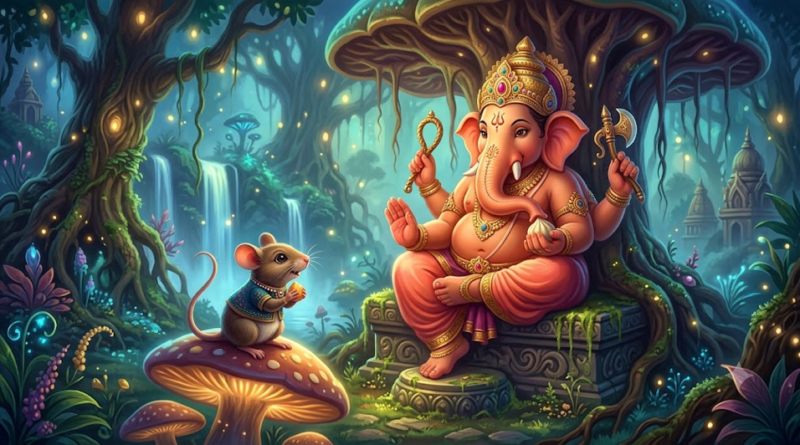
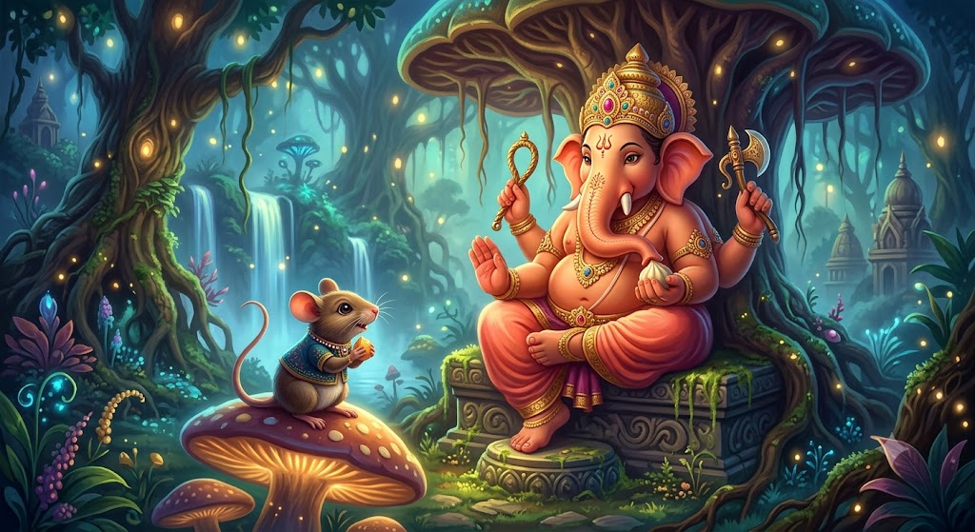
Every physical trait of Lord Ganesha carries deep philosophical instruction for human living. His broad elephant head symbolizes supreme wisdom, intelligence, and clarity of thought. His oversized ears serve as a reminder to listen more than one speaks, absorbing knowledge with patience. His single broken tusk (Ekadanta) represents perseverance and the essential sacrifices needed to gain true insight. The large belly signifies the capacity to peacefully digest both the successes and setbacks of life, while his vehicle—the humble mouse (Mooshak)—demonstrates that humility must tame ego and desire.
The grandest cultural manifestation of devotion to the deity occurs during Ganesh Chaturthi, a multi-day festival celebrating his divine birth. Communities and households set up clay idols, offer his favorite sweet dish (modak), and engage in solemn daily prayers (puja). The festival culminates in Ganpati Visarjan, a vibrant procession where the clay idols are immersed in natural water bodies, symbolically reminding humanity of the eternal cycle of creation, dissolution, and rebirth.
Ultimately, worshipping Lord Ganesha transcends ritualistic tradition; it serves as a practical guide for personal growth, intellect, and resilience. By embodying his teachings of patience, intellectual focus, and duty, spiritual seekers learn to navigate life’s inevitable challenges with grace and steady determination.