
Catch the Rhythm of the Hills: Unmissable North East Tribal Festivals to Experience This Year
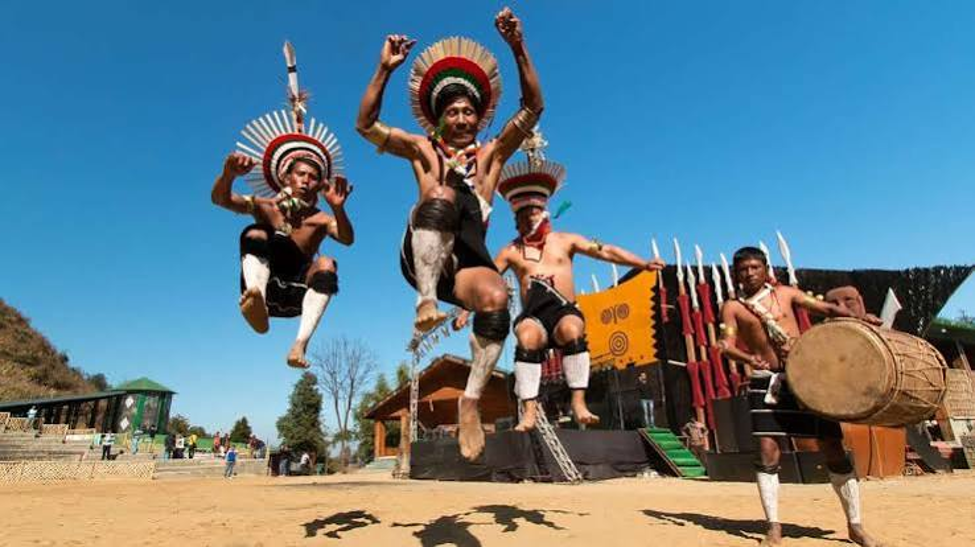
Northeast India is home to a remarkable diversity of Indigenous communities, each with distinctive traditions, folk music, dance forms and seasonal celebrations. From the rhythmic drumbeats of Meghalaya’s Garo Hills to the vibrant cultural showcases of Nagaland, the region offers travellers an opportunity to experience its living heritage. For anyone interested in tribal tourism in Northeast India, the final months of 2026 offer opportunities to explore traditional harvest celebrations, community gatherings, indigenous cuisine and local arts. These festivals are more than tourist attractions: they reflect the histories, beliefs and collective identities of the communities that sustain them. Here are four cultural festivals in North East India to consider for your travel plans, along with essential details to check before visiting.
Setting the stage for late autumn celebrations is the iconic Wangala Festival of Meghalaya, scheduled from November 12 to 14. Deep in the West Garo Hills at Asanang near Tura, the Garo tribe gathers to pay homage to Saljong, their Sun God of fertility. Popularly revered as the “100 Drums Festival,” this post-harvest celebration features one hundred parallel drummers beating long wooden drums in unison alongside dancers decked in elaborate feathered headgear. The thunderous echo of the drums reverberating through the hills creates a spellbinding atmosphere that highlights the sheer strength and joy of Garo indigenous life. Travelers looking to explore Meghalaya’s cultural heartland can plan their journey through the official portal of Meghalaya Tourism.
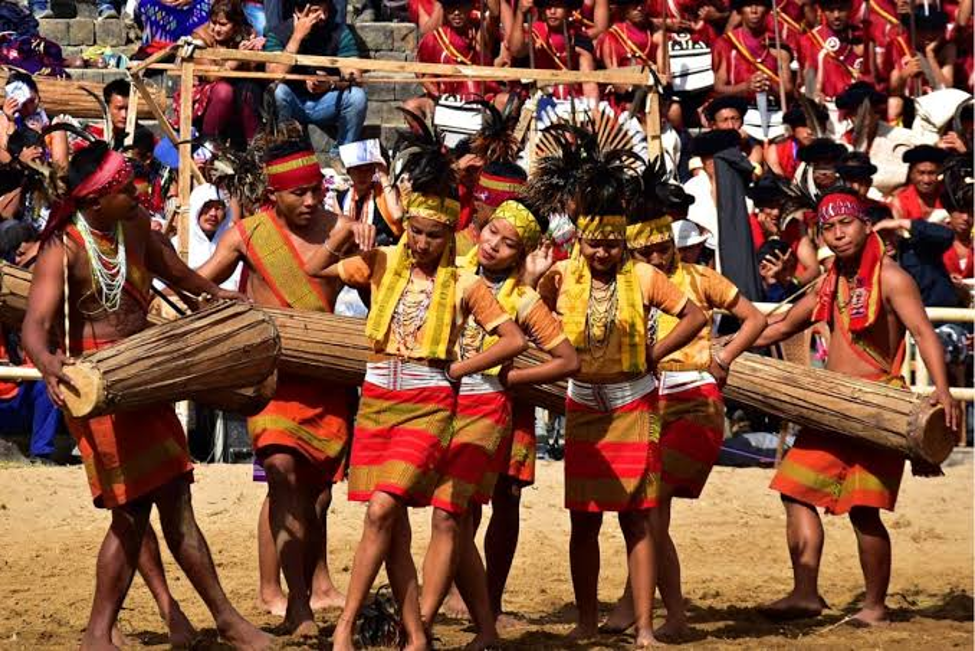
The Nongkrem Dance Festival is an important religious and cultural celebration of the Khasi community, held at Smit, the traditional seat of the Khyrim Syiemship. The five-day festival centres on sacred rituals and prayers for peace, prosperity and a successful harvest. One of its most striking features is the traditional dance performed by Khasi women in elaborate attire and jewellery, accompanied by men performing ceremonial dances. The celebrations provide visitors with insight into Khasi cultural practices, community traditions and the region’s distinctive social heritage. Smit is approximately 15 kilometres southwest of Shillong. Check with Meghalaya Tourism or local organisers for the confirmed 2026 dates before finalising your itinerary.
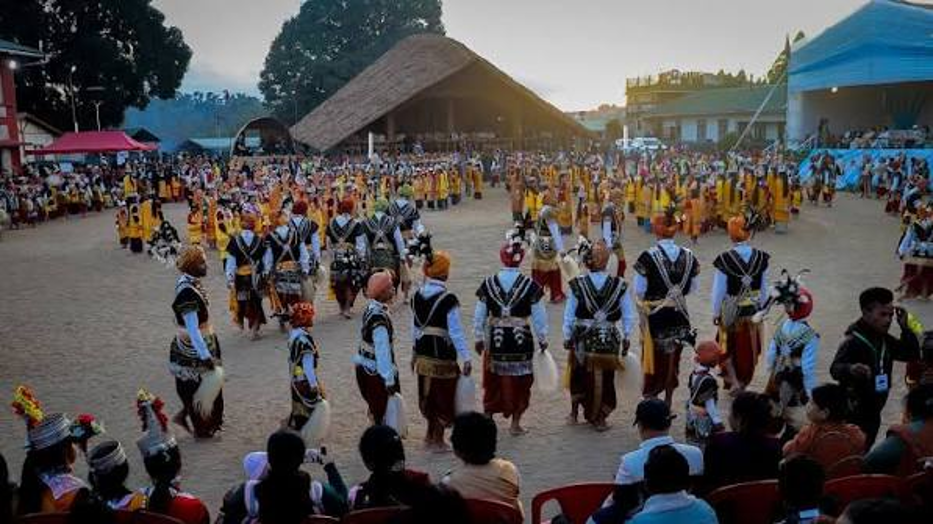
As December approaches, all roads in the region lead to Kisama Heritage Village near Kohima for the world-renowned Hornbill Festival, running from December 1 to 10. Dubbed the “Festival of Festivals,” this ten-day extravaganza unites all 17 recognized Naga tribes under one breathtaking banner. Visitors can witness authentic Naga warrior dances, indigenous archery, indigenous sports, craft bazaars, and legendary rock performances. From sampling local delicacies to learning about ancestral headhunting history, the Hornbill Festival offers an unmatched multi-sensory experience. Complete itineraries, entry permits, and official schedules can be found at Nagaland Tourism.
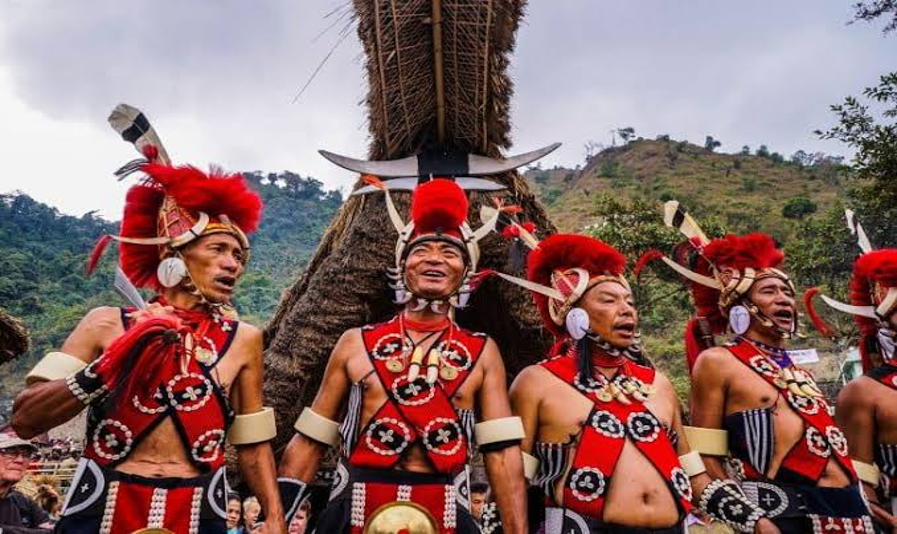
Concurrently in the serene green valleys of Assam’s Dima Hasao district, the Falcon Festival taking place in mid-December at Umrangso blends ethnic tribal culture with wildlife conservation. Organized to celebrate and protect the migratory Amur falcons that roost in the region, the festival brings together Dimasa, Karbi, and Kuki tribal communities for live folk-fusion music, lakeside camping, and ethnic food tasting. Shortly after, the nearby Judima Festival in Gunjung celebrates the traditional rice beer of the Dimasa tribe—the first beverage in the North East to earn a GI tag—offering visitors warm hospitality and indigenous music under the stars.
Planning a trip to these remote tribal grounds requires advance preparation, including securing Inner Line Permits (ILP) where required for states like Nagaland and Mizoram, as well as booking homestays early due to high seasonal demand. By immersing yourself respectfully in these tribal celebrations, you not only experience incredible indigenous hospitality but also directly support sustainable community tourism in Northeast India.