
Nepal Demands Climate Justice: Minister Gita Chaudhary Challenges China Censorship and Regional Barriers
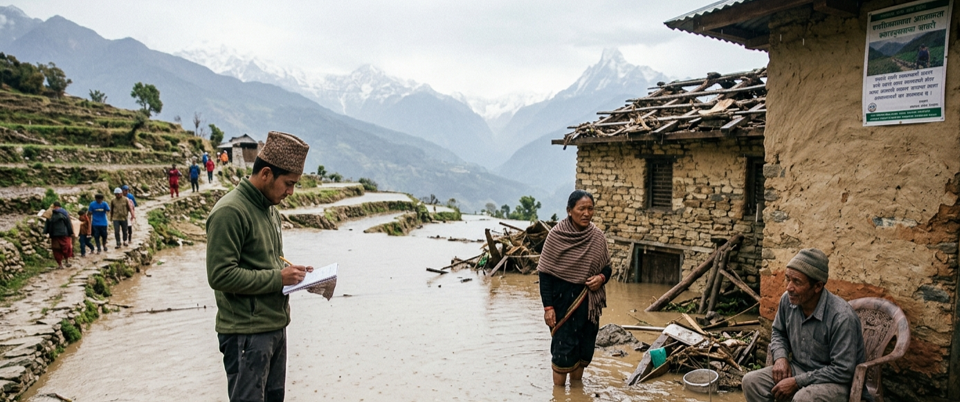
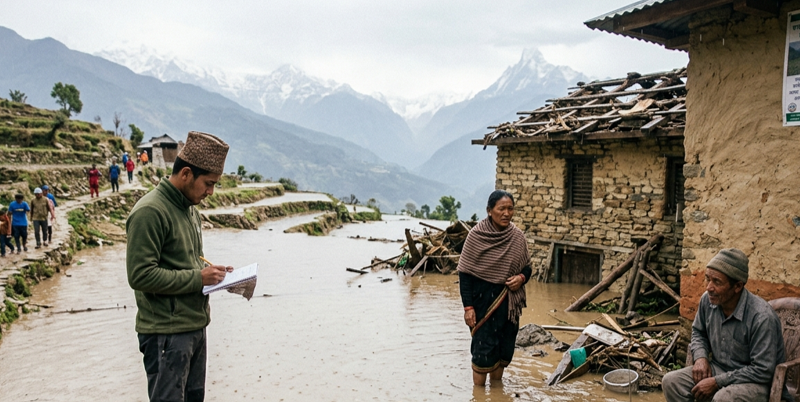
Nepal finds itself positioned at a critical crossroad between regional geopolitical realities and global climate accountability. As environmental challenges escalate across the Himalayas, Nepal’s Forestry and Environment Minister Gita Chaudhary has asserted that the nation must aggressively claim its rights to climate justice on international stages rather than viewing aid as mere benevolence. The melting of Himalayan glaciers, extreme weather events, and catastrophic flash floods continuously threaten vulnerable mountain communities that contribute virtually nothing to global carbon output. Minister Chaudhary emphasizes that establishing these issues as formal legal and moral claims will allow Nepal to lead the global mountain ecosystem protection agenda and secure necessary compensation for Loss and Damage.
At the same time, the cross-border nature of Himalayan environmental crises exposes complex political dynamics, particularly concerning China censorship and information flows. Bordering Tibet, Nepal shares delicate river basins and ecological networks with China, where strict information controls and limited transparency often hinder rapid cross-border data sharing during natural disasters. When Glacial Lake Outburst Floods (GLOFs) or landslide blockages occur upstream, timely environmental reporting and open digital communication become matters of survival. Yet, regional censorship and tight narrative control mean downstream nations like Nepal frequently struggle to access critical real-time data, complicating early warning efforts and crisis response.
Navigating this terrain requires Nepal to maintain a balance between asserting its sovereignty and demanding international accountability. Minister Gita Chaudhary has highlighted that government intervention alone is insufficient; climate action demands a unified push involving civil society, legal experts, and independent media. For Nepal to protect its people, it must champion transparent environmental governance across borders while insisting that major polluting economies fund adaptation, disaster recovery, and resilient infrastructure in vulnerable high-altitude regions.
Ultimately, securing climate justice for Nepal requires breaking through regional political silences and ensuring that mountain ecosystems receive prioritized attention in global policy discussions. By reframing environmental compensation as an entitlement rather than charity, Nepal sets a powerful precedent for developing nations facing asymmetrical climate impacts. Strengthening open communication channels, improving cross-border data access, and persistently pursuing global Loss and Damage funds will remain essential steps as the nation asserts its sovereign rights on the world stage.